3 days in Chiang Mai: one plan for each day
Three nights or fewer in Chiang Mai, with one main plan for each day: the Old City temples, Doi Suthep and Nimman, then Doi Inthanon.

On this page
At a glance
| Where | Chiang Mai, the largest city in northern Thailand. The Old City sits inside its old walls and moat.Source: TAT, Sydney office |
|---|---|
| Entry and visa | Depends on your passport. British passport: visa-free tourist stays of up to 30 days, with several conditions, listed under “Entry” below.As of 2026-10-20 · Source: UK FCDO entry requirements · Recheck by 2027-01-20 |
| Airport to city | Airport shuttle bus A1 or A2, 40 baht, to Nimmanhaemin Road and the city moat, or to the Night Bazaar. RTC city bus, 30 baht a trip. Metered taxis add a 50-baht charge.As of 2026-10-20 · Source: Airports of Thailand, Chiang Mai International Airport · Recheck by 2027-01-20 |
| Wat Chedi Luang | 6am to 5pm.As of 2026-10-20 · Source: TAT, Sydney office · Recheck by 2027-01-20 |
| Chiang Mai Cultural Centre | Wednesday to Sunday, including public holidays, 8.30am to 4.30pm. Closed Monday and Tuesday. Adult 90 baht, child 40 baht.As of 2026-10-20 · Source: Chiang Mai City Heritage Centre · Recheck by 2027-04-20 |
| Doi Suthep | TAT’s page gives two different closing times and undated fees, so we give none. TAT asks for no shorts, skirts or tank tops.As of 2026-10-20 · Source: TAT, Sydney office · Recheck by 2027-01-20 |
| Doi Inthanon | 2,565 metres, Thailand’s highest peak. About 90 minutes by road from Chiang Mai to the park entrance. No entry fee confirmed.As of 2026-10-20 · Source: TAT, Sydney office · Recheck by 2027-04-20 |
| Weekend markets | Saturday: Wua Lai Road, near Chiang Mai Gate, from the afternoon. Sunday: Ratchadamnoen Road, from Tha Phae Gate to Wat Phra Singh, in the evening.As of 2026-10-20 · Source: TAT, Sydney office, and John Borthwick’s features there · Recheck by 2027-01-20 |
| Rain and haze | The rainy season is generally May to October. Chiang Mai is affected by seasonal smoke haze from the burning of trees and crops.As of 2026-10-20 · Source: UK FCDO · Recheck by 2027-01-20 |
| Safety | The UK advises against all but essential travel to parts of the far south and near the Cambodian border, far from Chiang Mai. Terrorist attacks could take place anywhere, including tourist destinations.As of 2026-10-20 · Source: UK FCDO travel advice · Recheck by 2027-01-20 |
| Money | Thai baht (THB). |
| Health | We give no health advice. For vaccines and health entry rules, see the official source.Source: CDC Travelers’ Health, Thailand |
- Facts checked
- Next recheck
- Entry rule shown for
- British (UK FCDO advice). For any other passport, check your own government’s travel advice.
How this long weekend works
This guide is research, not a first-hand visit. We built it from the official sources listed at the end, as of the date in the ticket.
This is a long weekend of three nights or fewer, with one main plan for each day: the Old City temples on foot on day one, the mountain temple of Doi Suthep and the Nimman district on day two, and Doi Inthanon, Thailand’s highest peak, on day three.
Arrive on the morning of day one and leave the morning after day three: three nights. Day three is the longest, so the third night lets you rest before you go home. If you arrive by the overnight train from Bangkok, our Bangkok to Chiang Mai train guide covers the timetable, sleeper classes and fares.
If a recheck date in the ticket has passed, open the source before you spend money.
Is three days enough for Chiang Mai?
For a first visit, yes, if you accept what to leave out. The Tourism Authority of Thailand (TAT) says the Old City holds most of the best temples and museums, and that Chiang Mai is ringed with places to see, including Thailand’s tallest mountain, tribal villages and national parks. Three days covers the Old City, one mountain temple and one national park, which needs a full day of its own. It does not cover the other day trips.
Getting from the airport to the city
Chiang Mai International Airport is run by Airports of Thailand (AOT). Its website lists these ways into the city:
- Airport shuttle bus. Route A1 costs 40 baht and runs to Nimmanhaemin Road, Huay Kaew Road and the city moat. Route A2 costs 40 baht and runs along Mahidol Road to the Night Bazaar and the hotels in the Chang Klan Road area.
- RTC Chiang Mai City Bus. 30 baht a trip, whatever the distance. Its two R3 loops, Red and Yellow, link the airport with Wua Lai Road, Chiang Mai Gate, the Night Bazaar, Tha Phae Gate and Nimmanhaemin Road.
- Taxis. The airport taxi charges flat fares. Metered taxis add a 50-baht charge for the driver, which AOT says follows a Ministry of Transport announcement.
- Grab. The ride-hailing app works at the airport, from designated pick-up and drop-off points.
AOT asks you to check bus fares and routes again before you travel.
Day one: the Old City temples
Main plan: the temples inside the old walls, on foot, ending at Wat Phra Singh.
Start early at the market, walk in through Tha Phae Gate, and spend the hottest hours in the museum. The Chiang Mai Cultural Centre closes on Monday and Tuesday. If day one is a Tuesday, swap days one and two. If day one is a Monday, the centre is closed on days one and two, so skip it, or swap days one and three.
Fig. 1 Day one on foot Source: TAT (opens in a new tab) (Wat Chedi Luang (opens in a new tab)), John Borthwick (opens in a new tab) and Chiang Mai City Heritage Centre (opens in a new tab), October 2026.
Early morning: Warorot Market
Warorot Market, also called Kad Luang, stands near the Ping River. TAT describes it as one of the oldest and largest markets in the city, on several floors, with fresh produce, textiles and handicrafts. Its page gives daily hours of 4am to 4pm.
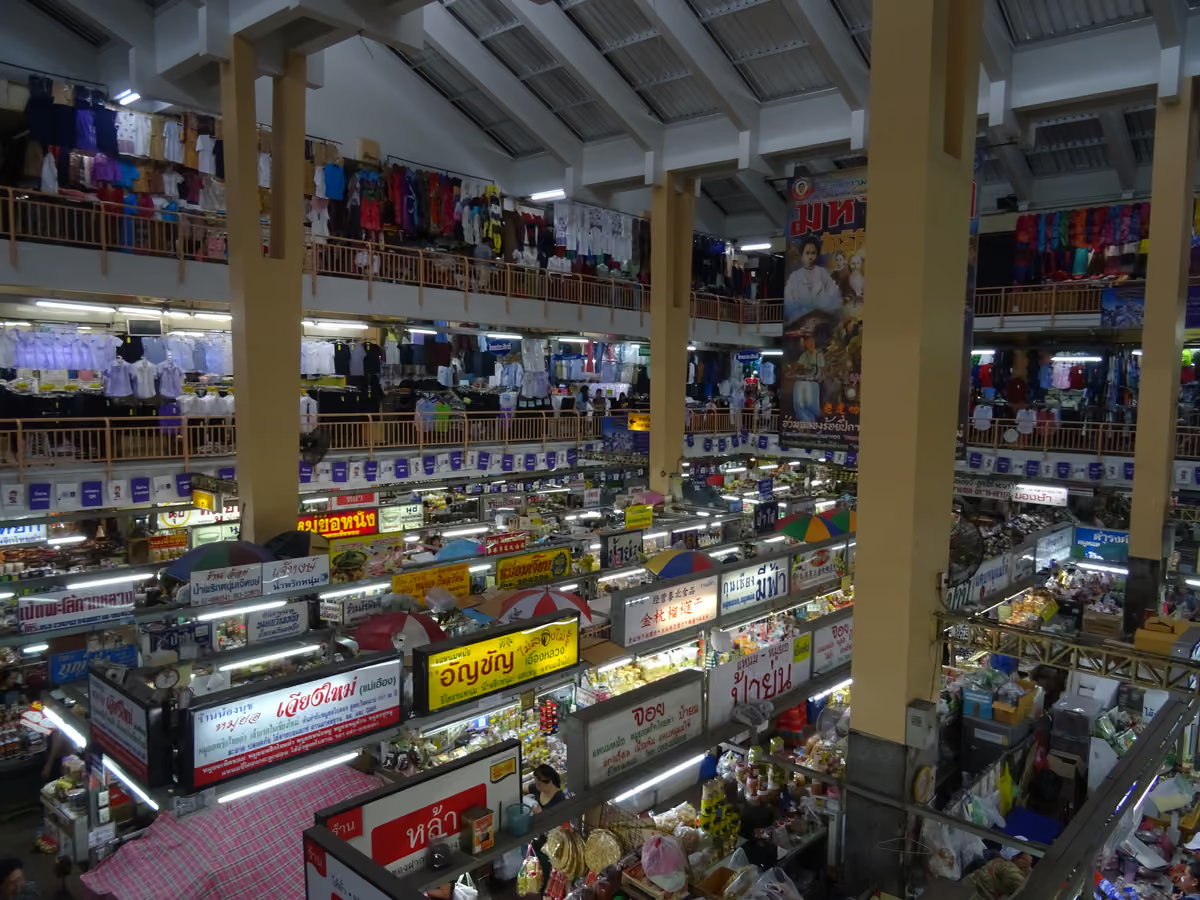
Fig. 2 The floors of Warorot Market. Photo: Christophe95 (opens in a new tab) · CC BY-SA 4.0 (opens in a new tab) · modified
Tha Phae Gate and the old walls
From the market, walk to Tha Phae Gate, where the Sunday Walking Street starts, and into the Old City.
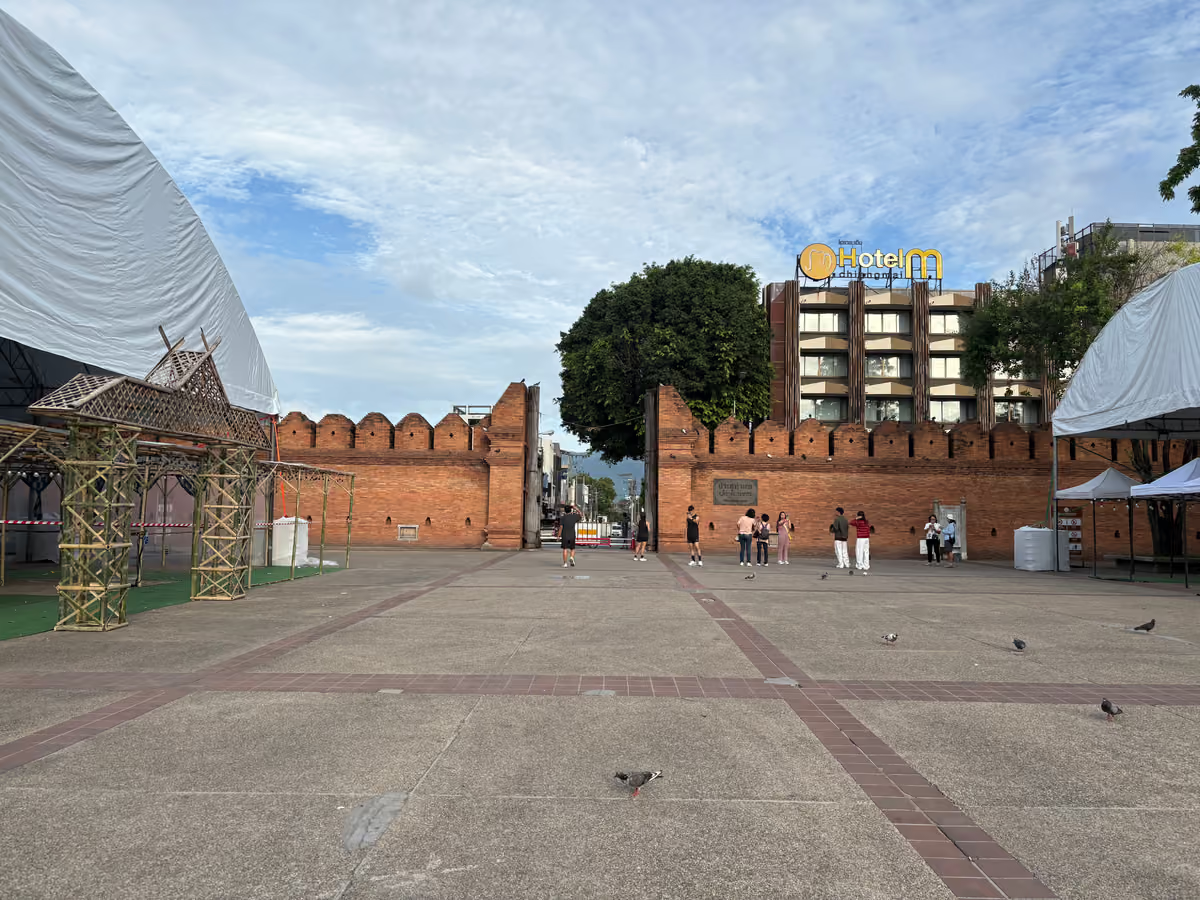
Fig. 3 Tha Phae Gate and the old city wall. Photo: Chainwit. (opens in a new tab) · CC BY 4.0 (opens in a new tab) · modified
Mid-morning: Wat Chedi Luang
Wat Chedi Luang is on Phra Pokklao Road. TAT dates its chedi, a large stupa, to between 1385 and 1402. TAT says it was 80 metres tall at its peak, and that it once housed the Emerald Buddha, Thailand’s most sacred image. An earthquake in 1545 left it at nearly half its original size. TAT’s page gives opening hours of 6am to 5pm and lists no fee.
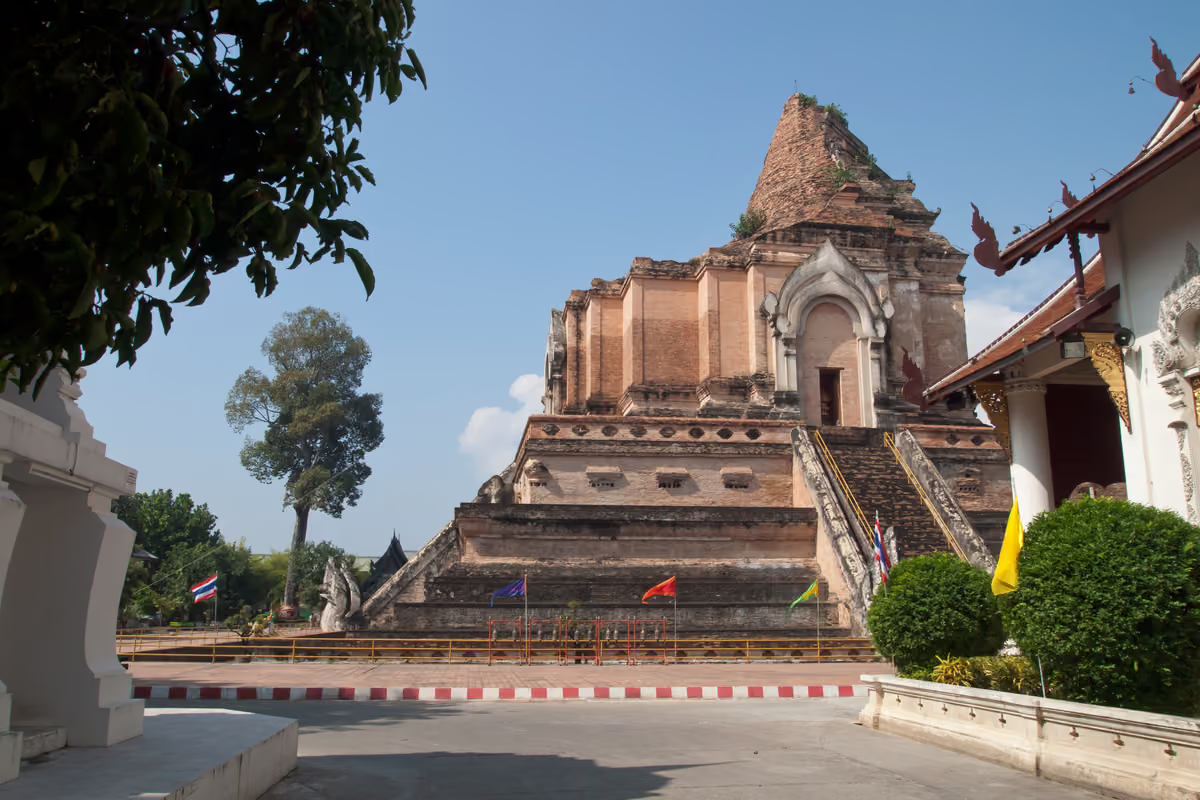
Fig. 4 The chedi of Wat Chedi Luang. Photo: Vyacheslav Argenberg (opens in a new tab) · CC BY 4.0 (opens in a new tab) · modified
A feature on TAT’s Sydney site, by travel writer John Borthwick, says to “dress modestly and enter barefoot” at Chiang Mai’s temples.
Midday: the Chiang Mai Cultural Centre
Walk along Phra Pokklao Road to the Chiang Mai City Arts and Cultural Centre, which its website calls the Chiang Mai Cultural Centre. Its 15 rooms follow the city from prehistory to the present day, including life along the Ping River.
The centre opens Wednesday to Sunday, including public holidays, from 8.30am to 4.30pm. It closes on Monday and Tuesday. Admission is 90 baht for an adult and 40 baht for a child.
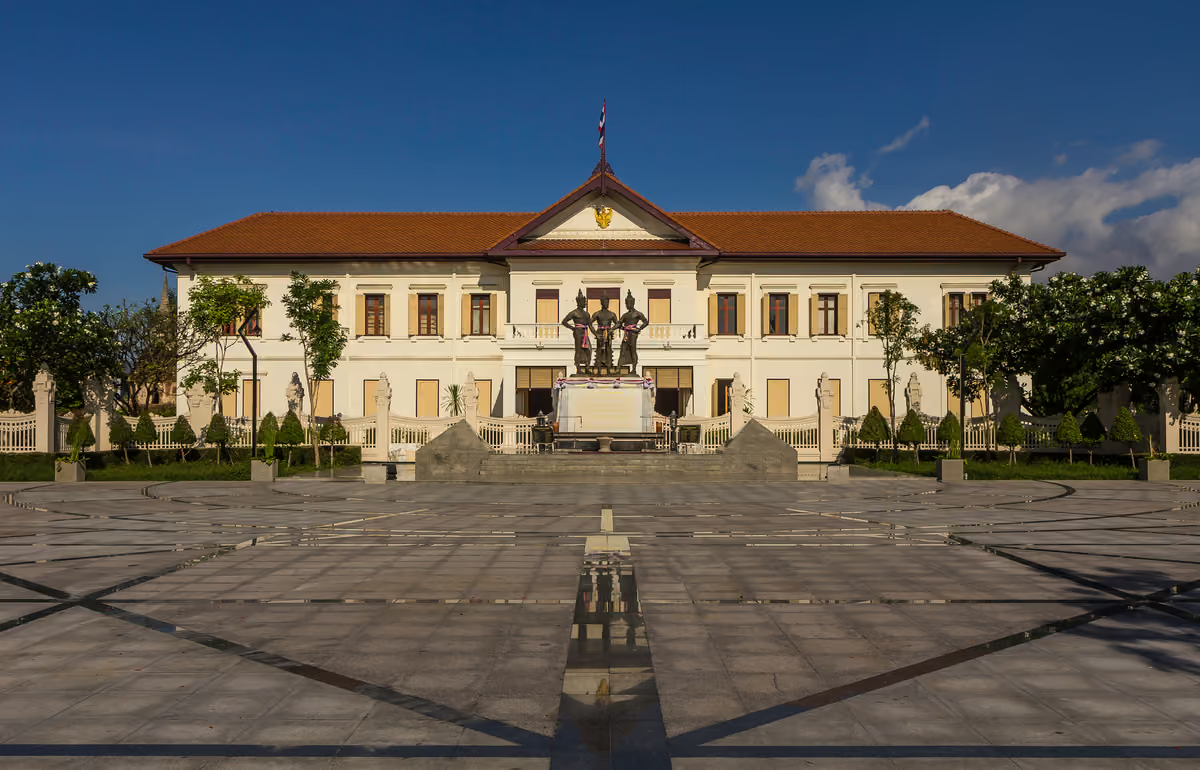
Fig. 5 The Cultural Centre and the Three Kings Monument. Photo: Stefan Fussan (opens in a new tab) · CC BY-SA 3.0 (opens in a new tab) · modified
Afternoon: Wat Phra Singh
End the day at Wat Phra Singh, at the far end of Ratchadamnoen Road from Tha Phae Gate, where the Sunday Walking Street finishes. We found no official visitor page for the temple, so we give no opening hours or fees. Check them at the gate.
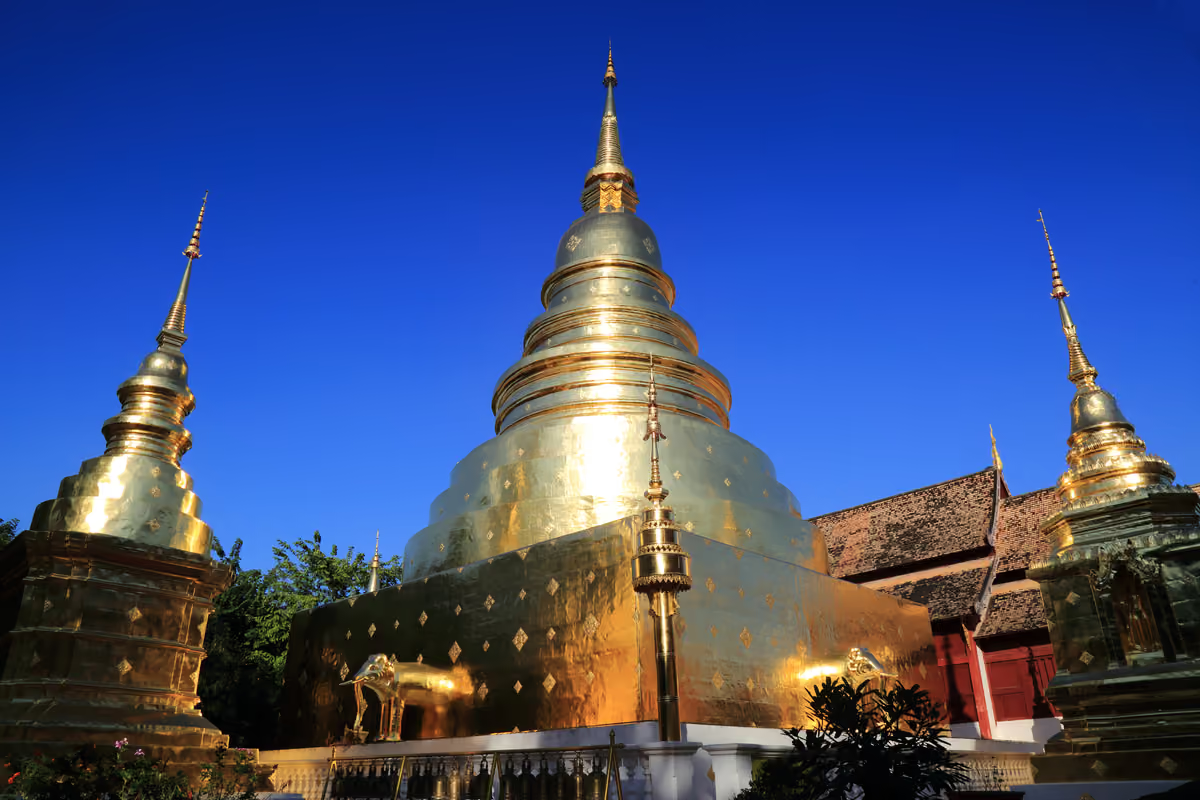
Fig. 6 The chedi at Wat Phra Singh. Photo: Chalerm-a (opens in a new tab) · CC BY-SA 4.0 (opens in a new tab) · modified
If day one is a Sunday, the market starts outside the temple in the evening. Walk it back to Tha Phae Gate. See “The weekend walking streets” below.
Day two: Doi Suthep and Nimman
Main plan: Wat Phra That Doi Suthep in the morning, then the Nimman district for the afternoon and evening.
Doi Suthep is the mountain that overlooks the city from the northwest. TAT calls its temple one of the most historically and spiritually significant places in Thailand, and says weekends and holidays are usually very crowded. Go early, on a weekday if you can.
Fig. 7 Day two: the mountain, then Nimman Source: TAT (opens in a new tab) and AOT (opens in a new tab), October 2026.
Morning: Wat Phra That Doi Suthep
The temple stands at 1,056 metres, inside Doi Suthep-Pui National Park. From the parking area, TAT counts over 300 steps, beside what it calls the longest naga (sacred serpent) balustrade in Thailand, or you can take a cable car. At the top stands a gold-plated chedi, 24 metres tall, and a view over the city and the Ping River.
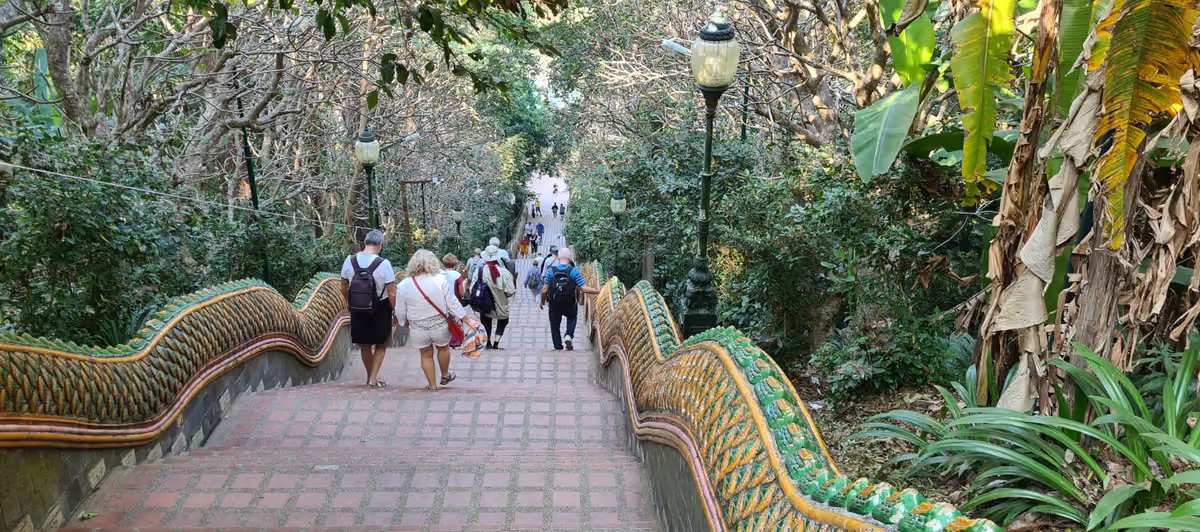
Fig. 8 The naga staircase at Doi Suthep. Photo: Bienvenue en Thaïlande (opens in a new tab) · CC BY-SA 4.0 (opens in a new tab) · modified
Getting there, entry and dress
TAT gives the way up as route 1004. The park entrance is about 15 km from the city centre, then about 20 minutes’ drive to the top. It also describes shared red trucks, called songthaew, from Chang Phuak market and from the entrance to Chiang Mai University on Huay Kaew Road. Its fares are undated, so we leave them out.
We found no official visitor page for the temple, and could not read the Department of National Parks’ pages. TAT’s page gives two different closing times and undated fees, so we give no hours or fees. TAT asks visitors to dress respectfully: no shorts or skirts, and no tank tops.
Afternoon and evening: Nimman
Come back down Huay Kaew Road to Nimmanhaemin Road, in the district known as Nimman. Features by travel writer John Borthwick on TAT’s Sydney site name two malls, Maya and One Nimman, and side-street boutiques selling contemporary art, ceramics and hill tribe textiles.
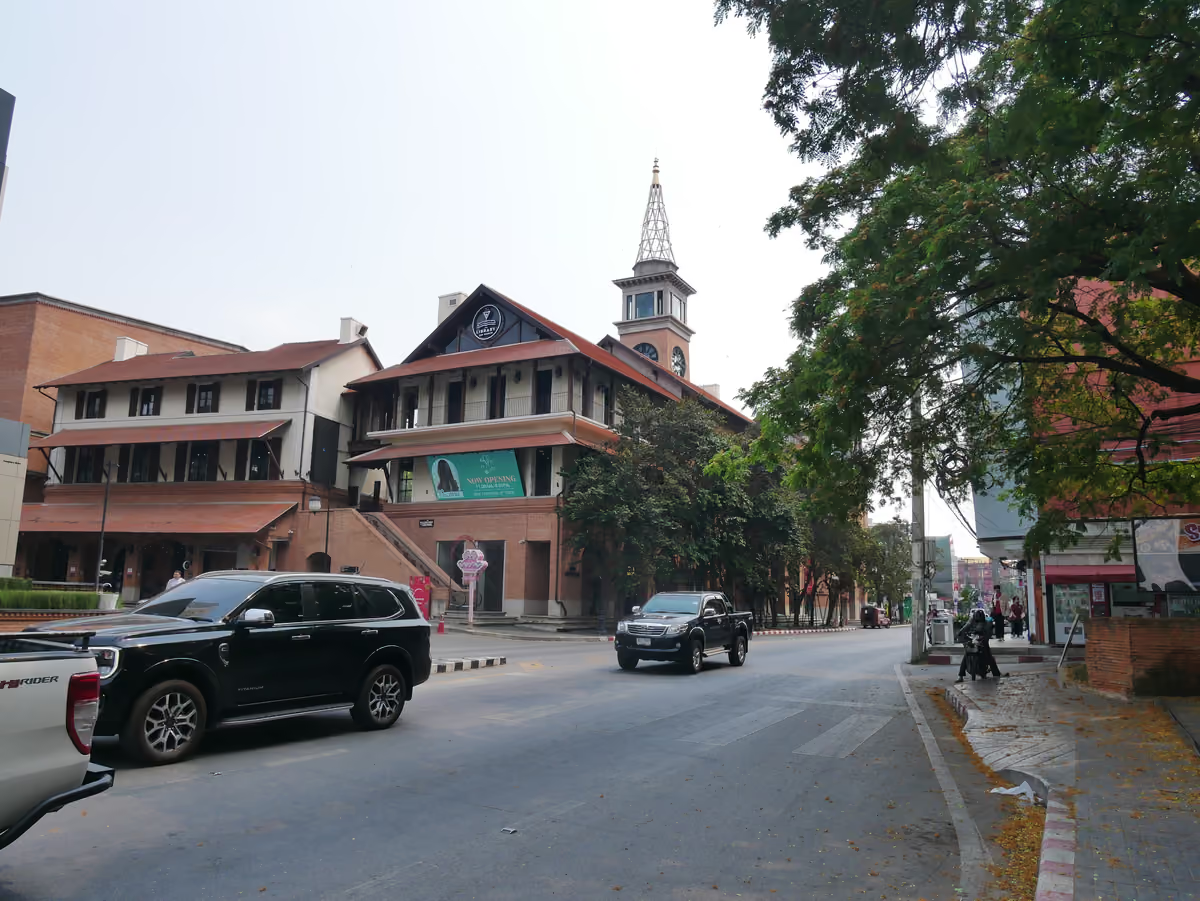
Fig. 9 Nimmanhaemin Road. Photo: กสิณธร ราชโอรส (opens in a new tab) · CC BY-SA 4.0 (opens in a new tab) · modified
If day two is a Saturday, go on to the Wua Lai Road market instead.
Day three: Doi Inthanon
Main plan: a full day at Doi Inthanon National Park, back in Chiang Mai for the evening.
Doi Inthanon is the highest peak in Thailand, at 2,565 metres. TAT describes mountains, forests and waterfalls, and perhaps the best bird-watching in Thailand.
Fig. 10 Day three: Doi Inthanon Source: TAT, Sydney office (opens in a new tab), October 2026.
Getting there
TAT gives route 108 towards Chom Thong for 57 km, then route 1009 for 31 km to the park entrance, about 90 minutes in all. It suggests a tour, or a rented car or motorbike. We found no public transport to the park on an official page.
To drive, the UK government says you need the 1968 international driving permit and your UK licence, and that by law you must wear a helmet on a motorcycle.
What to see in the park
TAT names these sights, from the bottom up:
- Mae Klang waterfall, near the park entrance.
- The ranger station, with maps and guides, and the Royal Project near it.
- Wachiratan waterfall, about halfway up the road to the summit, with a 40-metre drop.
- Two chedis near the summit, built for the 60th birthdays of the King and Queen. TAT says cloud or fog often hides the view.
TAT says the summit stays chilly even in the hot season, so pack a warm layer.
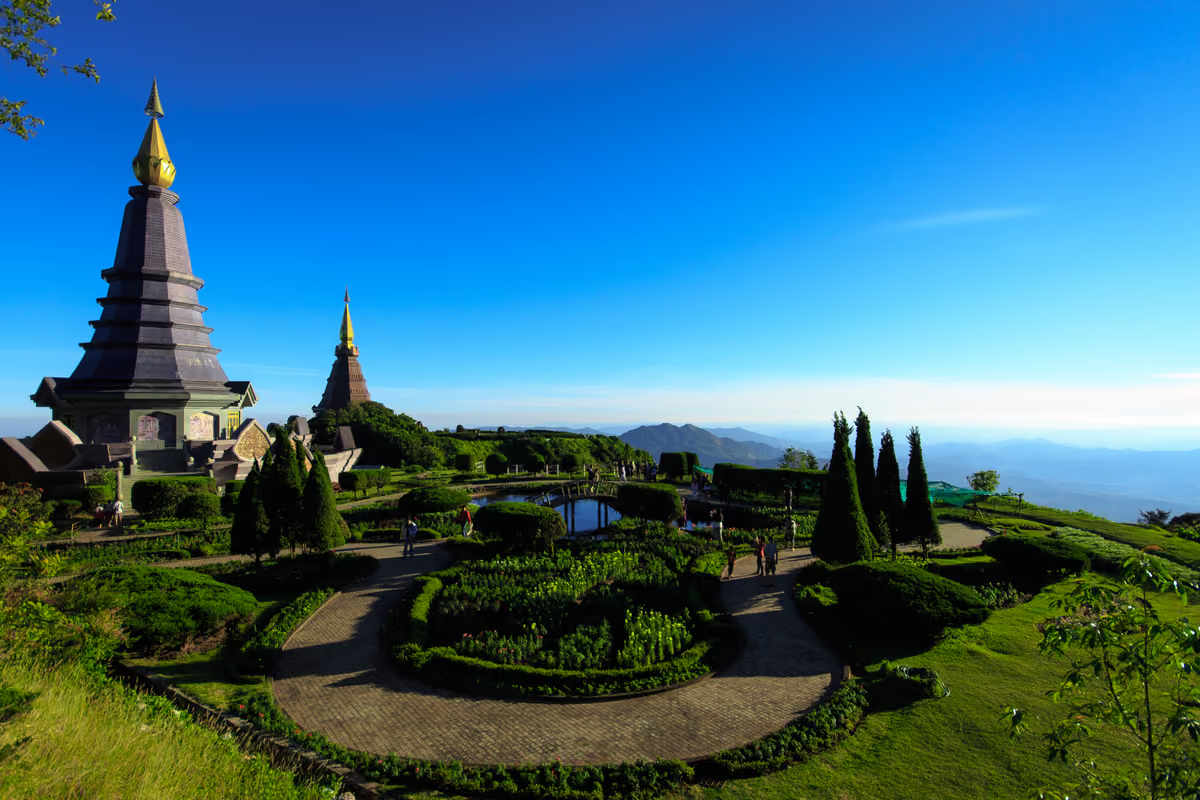
Fig. 11 Chedis near the Doi Inthanon summit. Photo: Lester Mathias Andersson (opens in a new tab) · CC BY-SA 3.0 (opens in a new tab) · modified
Fees, trails and the rainy season
We could not read the Department of National Parks’ fee pages, so we give no entry fee. Check it before you go.
Some trails close for part of the year. In July 2023, TAT reported the Kio Mae Pan trail and Lan Sadet waterfall closed from 1 June to 31 October, and pointed to the national parks office’s Facebook page, National Parks of Thailand, for current status.
The UK government warns that heavy rain can cause flash flooding and landslides in northern and mountainous areas, that waterfalls are particularly at risk of dangerous flash flooding, and that currents near them can be extremely strong in the rainy season.
Evening: the Night Bazaar
Back in the city, end the weekend at the Night Bazaar. TAT lists it among Thailand’s after-dark markets, for northern handicrafts, lanterns and textiles. John Borthwick’s features on TAT’s Sydney site also name the nightly Anusarn Market, off Chang Klan Road. The airport’s A2 shuttle runs from the airport to the Night Bazaar and the Chang Klan Road hotels.
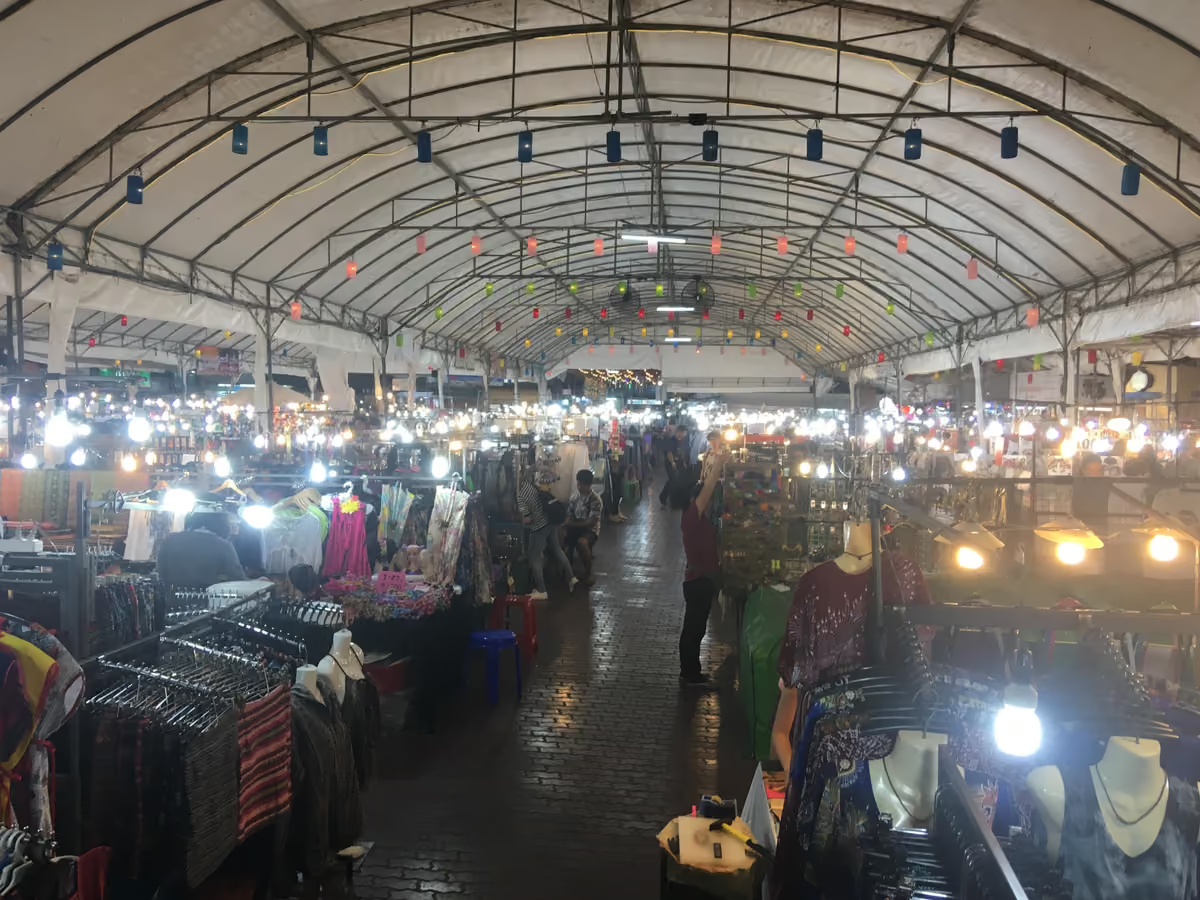
Fig. 12 Stalls at the Night Bazaar. Photo: Christophe95 (opens in a new tab) · CC BY-SA 4.0 (opens in a new tab) · modified
The weekend walking streets
Two street markets run at the weekend, both on TAT’s list of after-dark highlights for regional food. TAT’s walking street page gives only “Sunday 05:00 – 10:30PM”, and no official page gives Saturday times, so we give general ones.
Saturday: Wua Lai Road
Travel writer John Borthwick, in features on TAT’s Sydney site, describes a Saturday afternoon market on Wua Lai Road (he spells it Wualai), near Chiang Mai Gate, quieter than the Sunday one. The RTC bus R3 Red loop stops at Wualai Road and Chiang Mai Gate, and the Yellow loop at Chiang Mai Gate.
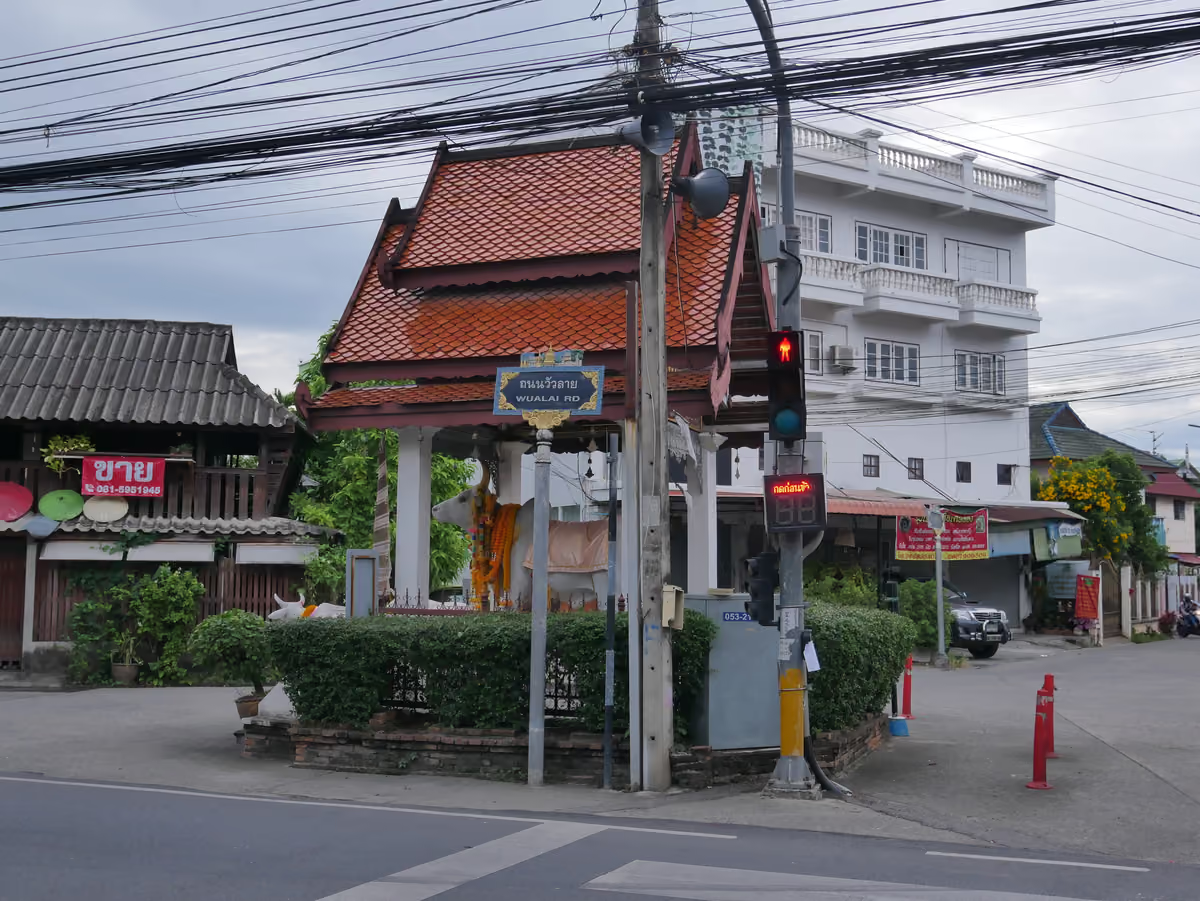
Fig. 13 Wua Lai Road, where the Saturday market runs. Photo: กสิณธร ราชโอรส (opens in a new tab) · CC BY-SA 4.0 (opens in a new tab) · modified
Sunday: Ratchadamnoen Road
The Sunday Walking Street runs through the Old City from Tha Phae Gate to Wat Phra Singh, along Ratchadamnoen Road, on the same ground as day one. John Borthwick’s features describe handicrafts, artworks, foot massages and fried grasshoppers, and a shoulder-to-shoulder crowd. TAT’s walking street page describes a market that comes alive as the sun sets.
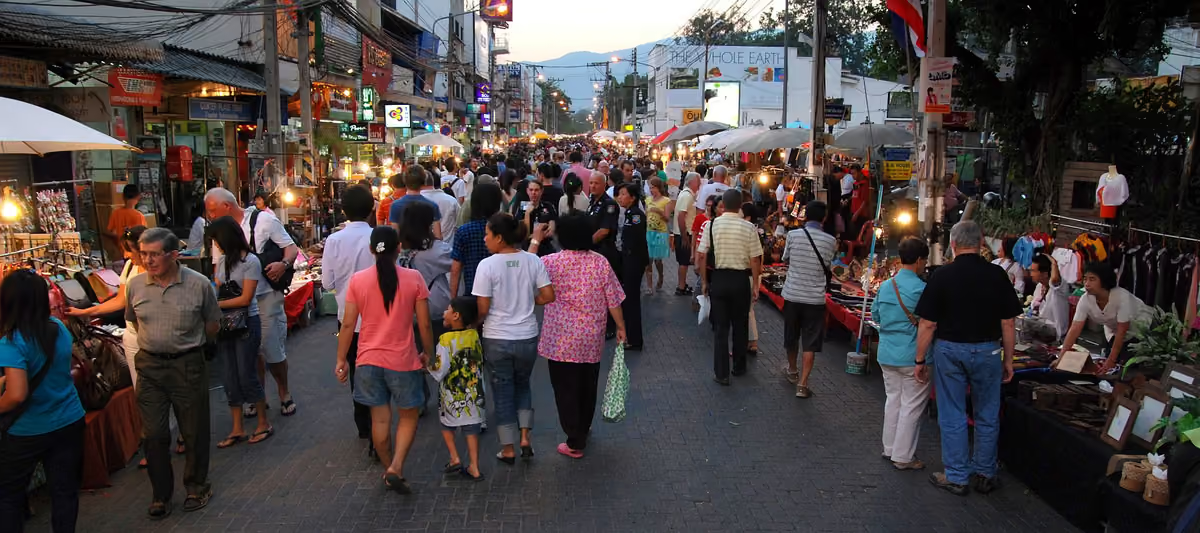
Fig. 14 The Sunday Walking Street at dusk. Photo: Takeaway (opens in a new tab) · CC BY-SA 4.0 (opens in a new tab) · modified
To catch a market, put day one on a Sunday, or day two on a Saturday.
Getting around Chiang Mai
In the city, the RTC bus costs 30 baht a trip. Its R3 loops link the airport, Wua Lai Road, Chiang Mai Gate, the Night Bazaar, Tha Phae Gate, the Three Kings Monument and Nimmanhaemin Road.
The UK government asks visitors to take care in open transport like tuk-tuks. It also says motorbikes and scooters for hire in tourist areas are often unregistered and cannot be used legally on a public road.
When to go
The UK government says Thailand’s rainy season is generally from May to October, but that weather patterns have become increasingly unpredictable.
It also says air pollution can be high in Chiang Mai, which is affected by seasonal regional smoke haze caused by farmers burning trees and crops. It says the pollution sometimes reaches dangerous levels. Before you book, read the air quality section of the UK government’s health advice for Thailand (opens in a new tab).
Safety, entry and health
Safety
The UK government’s travel advice for Thailand was updated on 12 October 2026. It advises against all but essential travel to Pattani, Yala and Narathiwat provinces and parts of Songkhla, by the Malaysian border, and within 20 km of the land border with Cambodia. For the Myanmar border, it says the security situation in Myanmar is unpredictable and liable to change without notice.
The same advice says terrorists are likely to try to carry out attacks in Thailand, and that attacks could take place anywhere, including in tourist destinations. It asks visitors to stay aware of their surroundings and follow local authorities. When we read it, it also reported severe flooding in parts of Thailand, including Bangkok, and said earthquakes are a risk in northern Thailand.
On crime, it advises you to carry your valuables and cash securely to guard against pickpocketing, and to beware of bag-snatchers, especially on motorbikes. It says elephant treks can be dangerous, and advises a reliable, licensed tour guide. Read your own government’s advice too.
Entry
Entry rules depend on your passport. For British passport holders, the UK government says that from 15 September 2026 you can stay visa-free for up to 30 days, for tourism only. It says your passport must have an expiry date at least 6 months after the date you arrive, and at least 1 blank page, and that visa-free entries over land borders are normally limited to 2 a calendar year.
It also says all foreign nationals must complete a digital arrival card online before arrival, and can register within 3 days before they arrive. It says you may be asked to show at least 10,000 baht a person, or 20,000 baht a family, and proof of onward or return travel. It says British nationals have been refused entry for failing to provide this evidence. It says travellers coming from a country listed as a yellow fever transmission risk must have a vaccination certificate. It also says Thailand screens travellers arriving from regions affected by Ebola, and that they are subject to a mandatory quarantine or self-isolation period of at least 21 days. For other passports, check with a Thai embassy.
Health
We give no health advice. For vaccines and other health guidance before you travel, see CDC Travelers’ Health for Thailand (opens in a new tab) or your own country’s health service.
Questions before you go
What is the best order for 3 days in Chiang Mai?
The Old City on day one, Doi Suthep and Nimman on day two, and Doi Inthanon on day three. The Cultural Centre is closed on Monday and Tuesday. If day one is a Tuesday, swap days one and two. If it is a Monday, skip the centre or swap days one and three.
Can I visit Doi Suthep without a tour?
Yes. TAT describes shared red trucks to the temple from Chang Phuak market and from the entrance to Chiang Mai University. The park entrance is about 15 km from the city centre, so a car is the other choice.
When are the walking streets?
Wua Lai Road on Saturday from the afternoon, according to travel writer John Borthwick, and Ratchadamnoen Road on Sunday evening. Times can change, so ask locally.
Is a weekend in Chiang Mai possible without a car?
Mostly. The Old City is a walk, the RTC bus covers much of the city, and shared trucks run to Doi Suthep. For Doi Inthanon, TAT suggests a tour.
Sources
- UK FCDO: Thailand travel advice, warnings (opens in a new tab)
- UK FCDO: Thailand entry requirements (opens in a new tab)
- UK FCDO: Thailand safety and security (opens in a new tab)
- UK FCDO: Thailand regional risks (opens in a new tab)
- UK FCDO: Thailand health (opens in a new tab)
- CDC Travelers’ Health: Thailand (opens in a new tab)
- Chiang Mai International Airport (AOT): airport shuttle bus (opens in a new tab)
- Chiang Mai International Airport (AOT): RTC Chiang Mai City Bus (opens in a new tab)
- Chiang Mai International Airport (AOT): taxi meter (opens in a new tab)
- Chiang Mai International Airport (AOT): airport taxi (opens in a new tab)
- Chiang Mai International Airport (AOT): Grab pick-up and drop-off points (opens in a new tab)
- Tourism Authority of Thailand, Sydney office: Chiang Mai (opens in a new tab)
- Tourism Authority of Thailand, Sydney office: Wat Chedi Luang (opens in a new tab)
- Tourism Authority of Thailand, Sydney office: Doi Suthep (opens in a new tab)
- Tourism Authority of Thailand, Sydney office: Doi Inthanon National Park (opens in a new tab)
- Tourism Authority of Thailand, Sydney office: Warorot Market (Kad Luang) (opens in a new tab)
- Tourism Authority of Thailand, Sydney office: Thapae Walking Street (opens in a new tab)
- Tourism Authority of Thailand, Sydney office: Markets, malls and more (feature by John Borthwick) (opens in a new tab)
- Tourism Authority of Thailand, Sydney office: Top 10 things to do in Chiang Mai (feature by John Borthwick) (opens in a new tab)
- TAT Newsroom: Thailand After Dark Experiences (opens in a new tab)
- TAT Newsroom: opening and closed status of Thailand’s national parks (July 2023) (opens in a new tab)
- Chiang Mai City Heritage Centre: Chiang Mai Cultural Centre (opens in a new tab)
- Chiang Mai City Heritage Centre: contact, hours and admission (opens in a new tab)
Found an error? Tell us. How we check facts.