3 days in Kuala Lumpur: one plan for each day
Three nights or fewer in Kuala Lumpur, with one main plan for each day: the Twin Towers, the old city, then Batu Caves. All by train, bus or on foot.

On this page
At a glance
| Where | Kuala Lumpur, the capital of Malaysia, on the west side of the Malay Peninsula. |
|---|---|
| Entry and visa | Depends on your passport. British passport: no visa for a tourist visit, entry normally for up to 90 days, passport valid for at least 6 months after arrival and, in the FCDO’s words, “undamaged, with no pages missing”, and an arrival card submitted online before you travel. Other passports: see the Immigration Department list.As of 2026-10-20 · Source: UK FCDO entry requirements; Immigration Department of Malaysia · Recheck by 2027-01-20 |
| Airport to city | KLIA Ekspres, KLIA Terminal 1 to KL Sentral in 28 minutes, every 20 minutes. Adult RM55 one way, RM100 return. From 1 January 2027: RM65 one way, RM118 return.As of 2026-10-20 · Source: KLIA Ekspres fares, home page and fare notice · Recheck by 2027-01-01 |
| Petronas Twin Towers | Tuesday to Sunday 9am to 10.30pm, last admission 9.30pm. Some Mondays closed. Non-Malaysian adult, normal admission: RM127 on weekdays, RM137 at weekends.As of 2026-10-20 · Source: Petronas Twin Towers admission and ticketing · Recheck by 2027-01-20 |
| Islamic Arts Museum | Daily 9.30am to 6pm, last entry 5.30pm. Adult RM20, student RM10, under 6 free.As of 2026-10-20 · Source: Islamic Arts Museum Malaysia · Recheck by 2027-04-20 |
| Batu Caves by train | KTM Komuter from KL Sentral to Batu Caves, about 30 minutes. Roughly one train an hour in the middle of the day.As of 2026-10-20 · Source: KTMB Komuter timetables · Recheck by 2027-01-20 |
| Rain | Rain falls all year. October and November are the wettest months on most of the Peninsula outside the east coast.As of 2026-10-20 · Source: Malaysian Meteorological Department · Recheck by 2027-04-20 |
| Safety | The UK advises against all but essential travel only to islands and dive sites off eastern Sabah, far from Kuala Lumpur. Terrorist attacks cannot be ruled out, and bag-snatching is common in major cities.As of 2026-10-20 · Source: UK FCDO travel advice · Recheck by 2027-01-20 |
| Money | Malaysian ringgit (MYR), written RM on price tags. |
| Health | We give no health advice. For vaccines and health entry rules, see the official source. One entry rule: you need a yellow fever vaccination certificate if you come from a country listed as a transmission risk.As of 2026-10-20 · Source: UK FCDO entry requirements; CDC Travelers’ Health, Malaysia · Recheck by 2027-01-20 |
- Facts checked
- Next recheck
- Entry rule shown for
- British (UK FCDO advice). For any other passport, check your own government’s travel advice.
How this long weekend works
This guide is research, not a first-hand visit. We built it from the official sources listed at the end, as of the date in the ticket.
This is a long weekend of three nights or fewer, with one main plan for each day: the Petronas Twin Towers on day one, the old city on foot on day two, and Batu Caves by train on day three, ending at KL Sentral for the airport train.
Arrive on the morning of day one and leave after day three, or the next morning: three nights at most. If you arrive in the evening, sleep, start the plan the next day, and fly home after day three.
Kuala Lumpur is warm and humid all year, and rain can come on any day, so each plan puts the outdoor part in the morning and leaves the afternoon for something under a roof, or for rest. If a recheck date in the ticket has passed, open the source before you spend money.
Is three days enough for Kuala Lumpur?
For a first visit, yes, if you accept what to leave out. Three days covers the KLCC towers, the old streets around Merdeka Square and Chinatown, and Batu Caves, but not day trips further out. The airport train, the city lines and the Komuter to Batu Caves all meet at KL Sentral, so you need no car.
Getting from the airport to the city
The KLIA Ekspres links Terminal 1 and Terminal 2 of Kuala Lumpur International Airport (KLIA) to KL Sentral, the city’s main rail hub. It takes 28 minutes from KL Sentral to Terminal 1, plus 3 minutes to Terminal 2, and runs every 20 minutes all day, every day, including weekends and public holidays.
The first train leaves KL Sentral at 5am and the last at midnight. From the airport, the first leaves Terminal 2 at 4.55am and Terminal 1 at 5am, and the timetable gives the last from Terminal 1 at 12.05am. A notice on the same page says that from 11pm all trains stop at all stations, with service from the airport until 1am. If you land late, check the timetable.
Fig. 1 KLIA to the city by KLIA Ekspres Source: KLIA Ekspres (opens in a new tab), October 2026.
KLIA Ekspres fares
The adult fare between KL Sentral and either terminal is RM55 one way and RM100 return, and a child aged 6 to 15 pays RM25 and RM45. Children under 6 travel free, up to three for each adult ticket. Buying through the operator’s app or website saves 10%.
Until 31 December 2026, a family of two adults and two children travels one way from RM120, and a group of three or more pays RM40 each one way. From 1 January 2027, the operator’s fare notice gives new fares: RM65 one way and RM118 return for an adult, and RM29 one way and RM53 return for a child aged 6 to 15. Children under 6 still travel free. If you travel in 2027, check the fare page before you buy.
Taxis and ride-hailing
The UK government’s advice says airport taxis are paid with a fixed-price coupon from a terminal counter, and other taxis should use the meter. The towers’ directions page also suggests the Grab ride-hailing app.
Day one: the Twin Towers and KLCC
Main plan: a timed visit up the Petronas Twin Towers, then the park below.
The towers are 452 metres tall. The operator calls the visit the Sky Xperience, and its pages describe it as crossing the Skybridge and going up to the observation deck. The double-decker Skybridge joins the towers at levels 41 and 42, 170 metres above the ground. The observation deck is on level 86, more than 370 metres up.
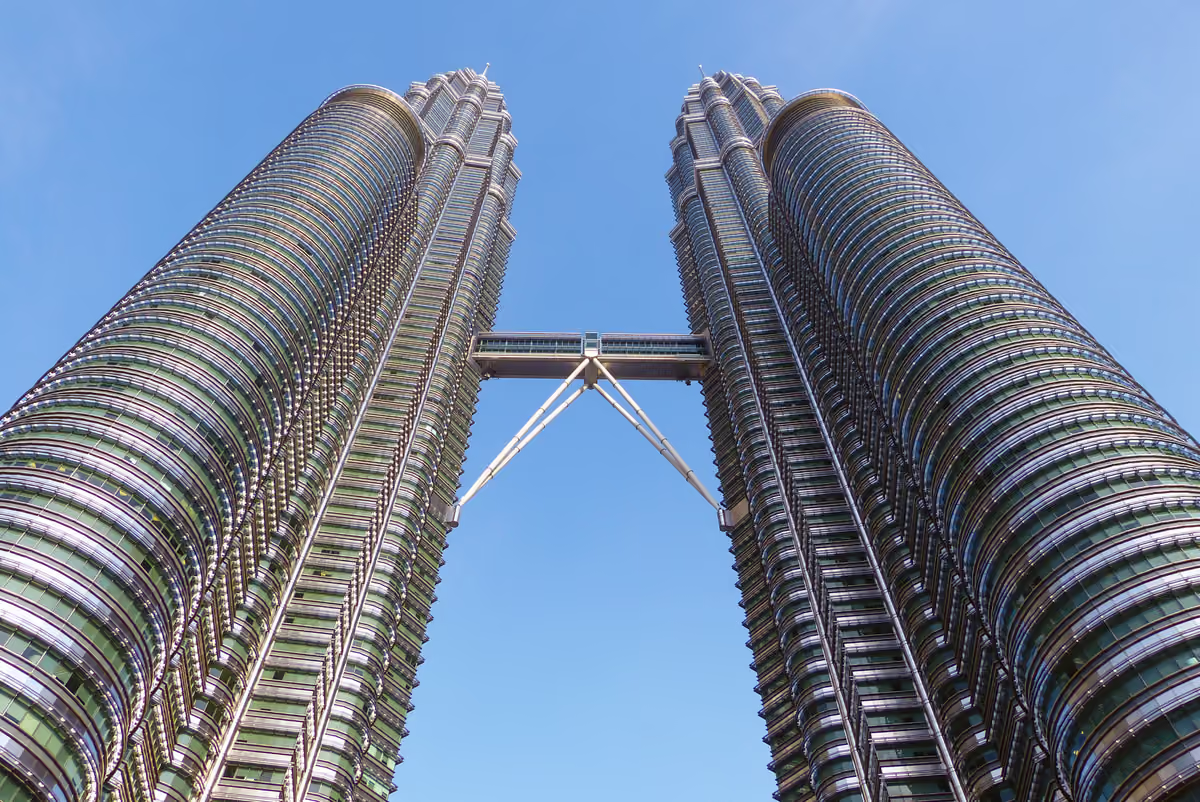
Fig. 2 The Skybridge, at levels 41 and 42. Photo: V. Epiney (opens in a new tab) · CC BY-SA 2.0 (opens in a new tab) · modified
Tickets and opening hours
The towers open Tuesday to Sunday and on public holidays from 9am to 10.30pm, with last admission at 9.30pm. On the second, fourth and fifth Monday of the month they open from 9am to 8pm, with last admission at 7pm. The closed Mondays left in 2026 are 2 and 16 November and 7 and 21 December.
Without a Malaysian MyKad, normal admission costs RM127 for an adult on a weekday and RM137 at the weekend. A child aged over 2 and up to 12 pays RM65 and RM69, and children under 2 go free. An Evening Experience ticket costs an adult RM157 on a weekday and RM167 at the weekend. MyKad holders pay lower rates, listed on the same page.
Three rules from the ticket page:
- Be at the entry point 15 minutes before your slot. Latecomers may be refused, with no refund.
- For a visit within the next 24 hours, buy through the official online platform. Tickets are subject to availability.
- Bags go through a security scanner, and lockers are limited.
Book a morning slot to keep the afternoon free. Then walk out into KLCC Park, beside the towers.
Getting to KLCC
Take the LRT Kelana Jaya Line to KLCC station; from KL Sentral it runs direct. From the monorail, change at KL Sentral or Bukit Nanas. Kuala Lumpur City Hall’s GoKL bus route GOKL 01 runs between KLCC and Bukit Bintang, so Bukit Bintang, the shopping and food district, is an easy evening. As of 20 October 2026, GoKL is free for Malaysian citizens, foreign visitors pay RM1 a ride, and children aged 12 and under ride free.
Day two: old Kuala Lumpur and the Islamic Arts Museum
Main plan: the old centre on foot, ending at the Islamic Arts Museum.
Central Market gives its walking times as 5 minutes from Merdeka Square, 5 from Petaling Street in Chinatown, 6 from Masjid Jamek and 9 from the old Kuala Lumpur railway station. The Islamic Arts Museum is about 10 minutes’ walk from Pasar Seni station, past the National Mosque.
Fig. 3 Day two on foot Source: Central Market (opens in a new tab) and Islamic Arts Museum Malaysia (opens in a new tab), October 2026.
Morning: Merdeka Square
Start at Merdeka Square while the air is still cool. The open green faces the Sultan Abdul Samad Building, with its clock tower and copper domes.
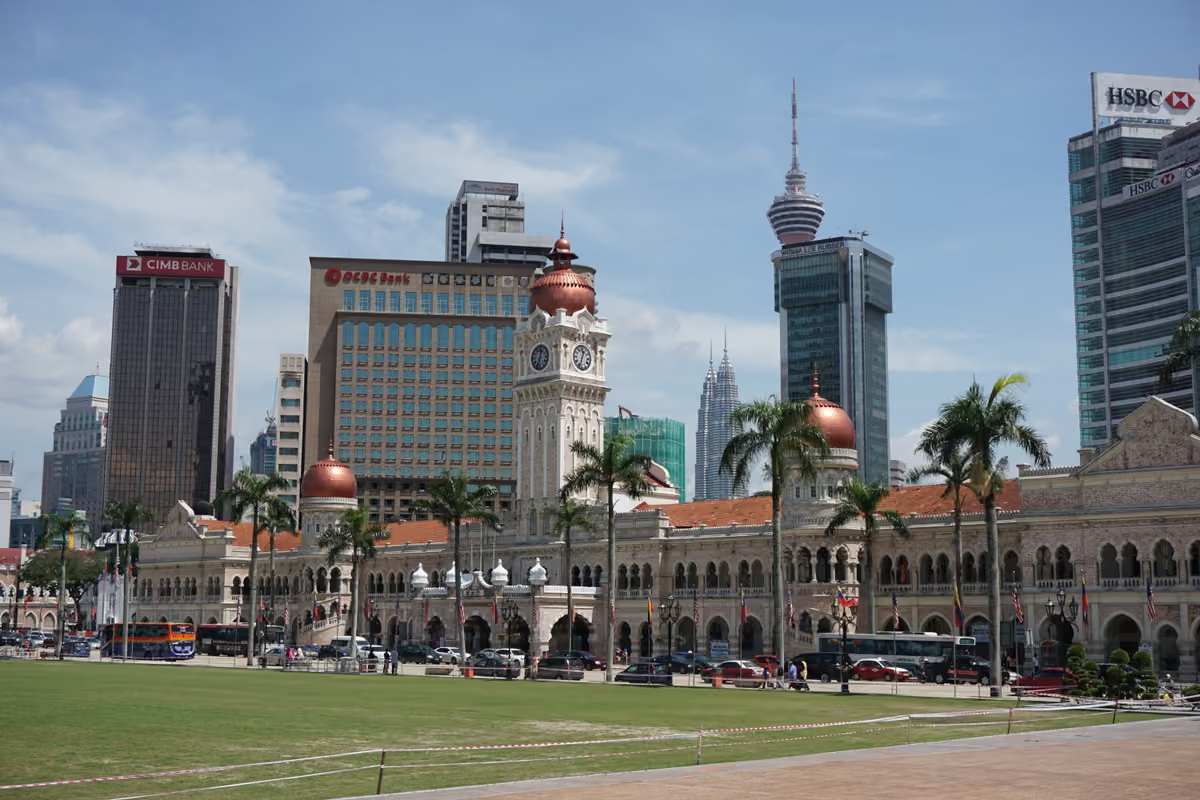
Fig. 4 Merdeka Square and its clock tower. Photo: Khairil Yusof (opens in a new tab) · CC BY 2.0 (opens in a new tab) · modified
Late morning: Central Market and Chinatown
Central Market opens daily from 10am to 10pm. Built in 1888 as a wet market, it is now a centre for Malaysian culture, art and craft. Its attractions include batik painting, henna, Chinese seal carving and Pasar Besar, a market it describes as featuring the flavours of Malaysia. For lunch, walk to Petaling Street.
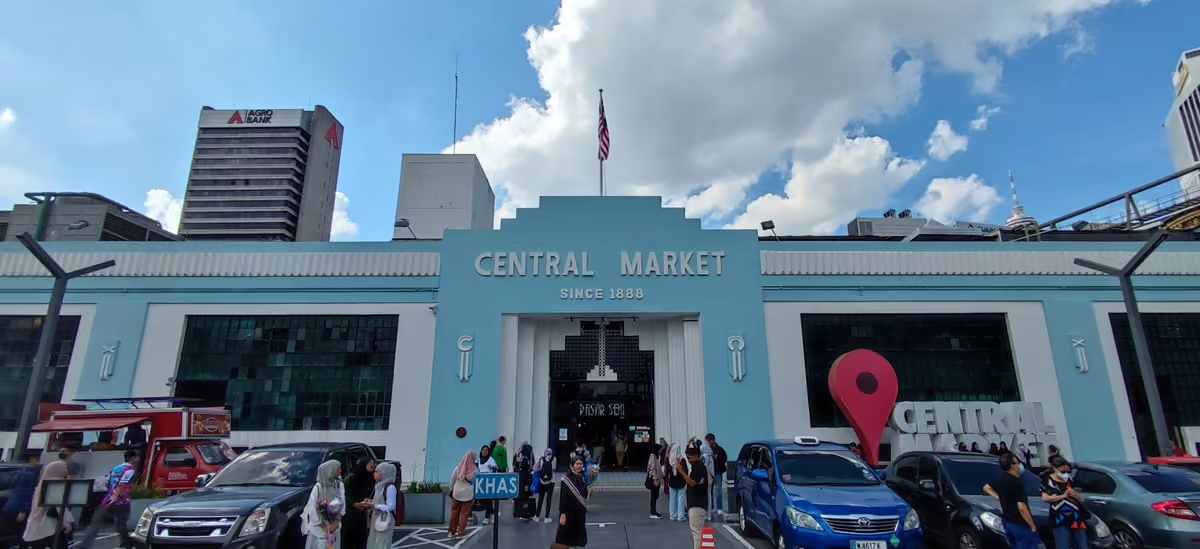
Fig. 5 The Art Deco front of Central Market. Photo: Wee Hong (opens in a new tab) · CC BY-SA 4.0 (opens in a new tab) · modified
Afternoon: the Islamic Arts Museum
Walk past Pasar Seni station and the National Mosque to the museum, a good place to sit out the afternoon heat or a storm. Its galleries open daily from 9.30am to 6pm, with last entry at 5.30pm, and close at 5pm during Ramadan. It closes only on Hari Raya Aidilfitri and Hari Raya Aidiladha, the two Eid holidays, whose dates follow the lunar calendar.
Admission is RM20 for adults, RM10 for students with valid ID, RM10 for Malaysian seniors, RM20 for other seniors, and free for children under 6. Pay by cash or card at the lobby counter.
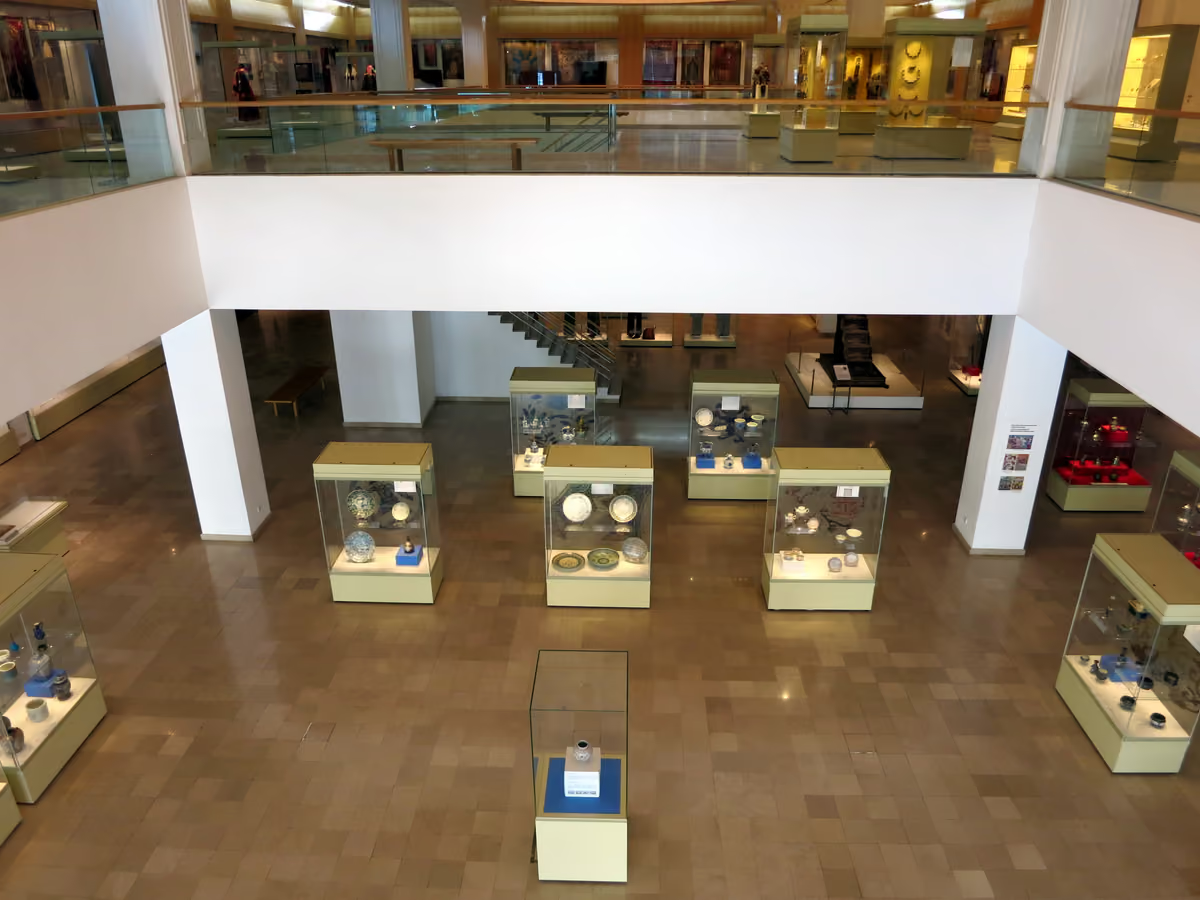
Fig. 6 Gallery floors at the Islamic Arts Museum. Photo: Nick-D (opens in a new tab) · CC BY-SA 4.0 (opens in a new tab) · modified
The museum sits beside the National Mosque and near Perdana Botanical Garden. To go inside the mosque, check its visiting times on the day, as they work around prayer times. To get back, take GoKL route GOKL 03 from the Masjid Negara stop towards Dataran Merdeka and Titiwangsa, or walk about 5 minutes to Kuala Lumpur KTM station. KL Sentral is about 5 minutes by taxi or ride-hailing.
Day three: Batu Caves by train
Main plan: the Temple Cave at Batu Caves in the morning, then back to KL Sentral.
Batu Caves is a Hindu temple complex in limestone caves north of the city. The main Temple Cave sits at the top of a long, steep flight of stairs, and a tall golden statue of Lord Murugan stands at the foot. Go early, before the heat.
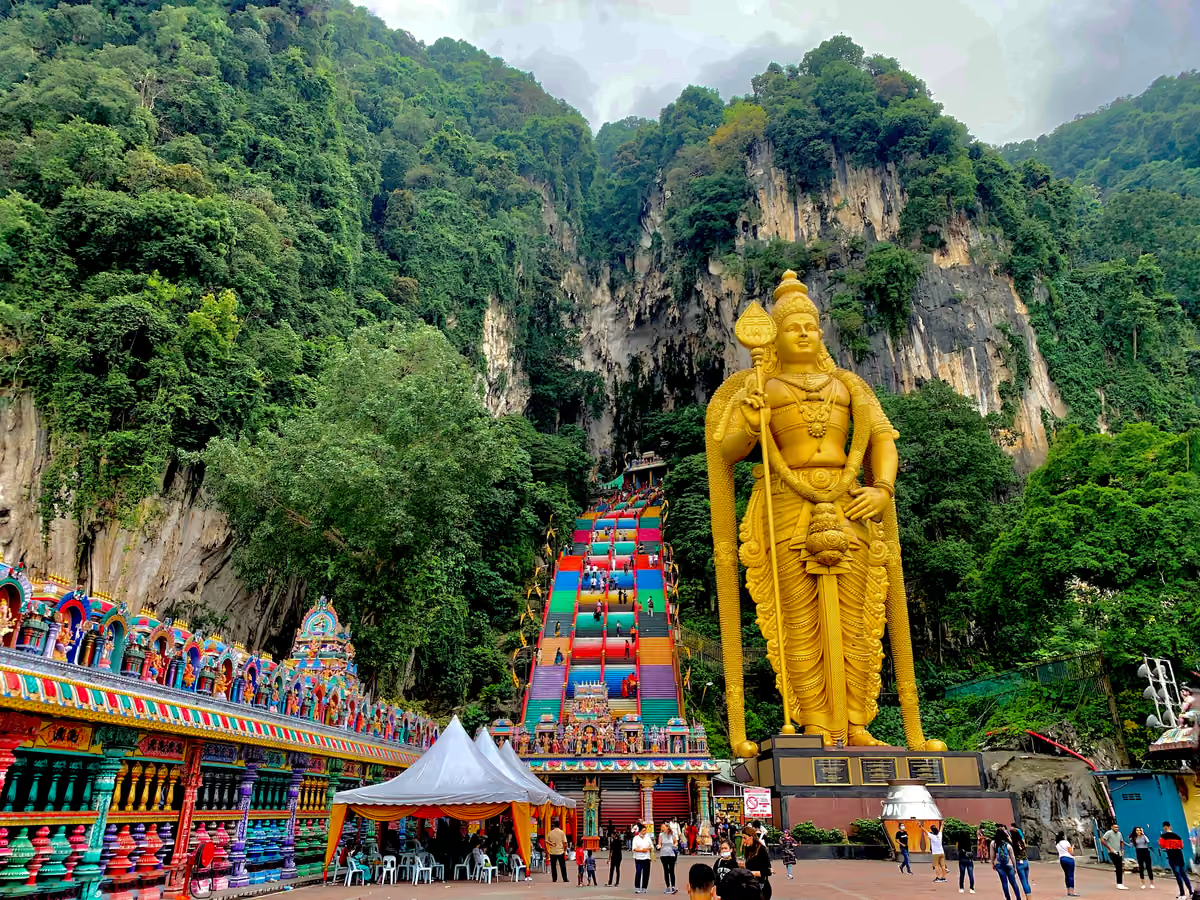
Fig. 7 The stairs to the Temple Cave. Photo: Chainwit. (opens in a new tab) · CC BY-SA 4.0 (opens in a new tab) · modified
The train to Batu Caves
KTM Komuter runs to Batu Caves station, the northern end of its Batu Caves to Pulau Sebang line. From KL Sentral the ride takes about 30 minutes, with a stop at Kuala Lumpur station.
Trains are not frequent. On the weekday timetable, effective 27 April 2026, the first train leaves KL Sentral for Batu Caves at 7.12am. On the weekend and public holiday timetable, effective 1 May 2026, it leaves at 8.12am. In the middle of the day both run about one train an hour, so note your train back before you climb.
Fig. 8 Day three: caves, then the airport Source: KTMB timetables (opens in a new tab) and KLIA Ekspres (opens in a new tab), October 2026.
Visiting the temple
Check the dress rules on the day. We found no official visitor page for the temple, so we give no opening hours or fees; check them locally. The site is busiest during Thaipusam, a major Hindu festival, so if your weekend falls near it, check the date first.
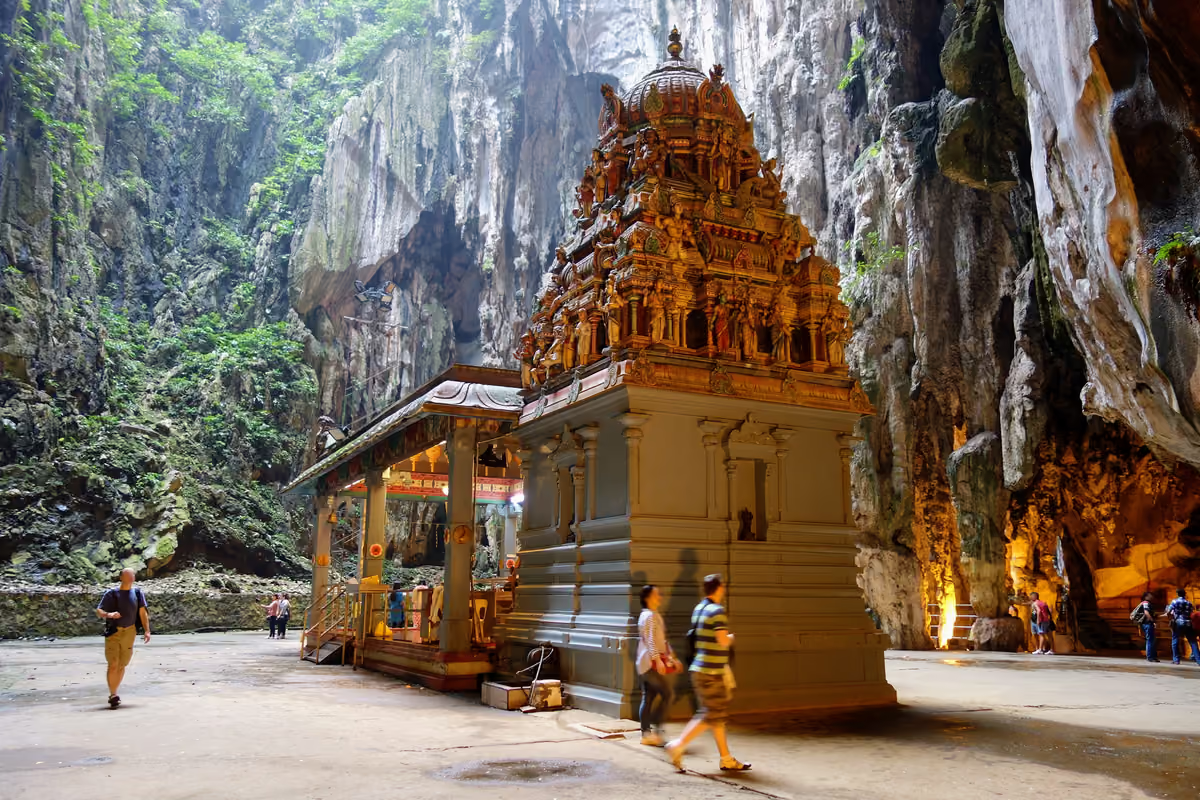
Fig. 9 A shrine inside the Temple Cave. Photo: KQuhen (opens in a new tab) · CC BY-SA 4.0 (opens in a new tab) · modified
The afternoon, and the flight home
Back at KL Sentral by lunch, collect your bags and take the KLIA Ekspres to the airport. Malaysia Airlines and Batik Air passengers can check in and drop bags in the KLIA Ekspres departure hall at no extra charge. The operator says you need a valid KLIA Ekspres or KLIA Transit ticket to the airport, and must check in at least 2 hours before departure. The counters open 6am to 8pm (Malaysia Airlines) and 6am to 6pm (Batik Air).
A third night leaves day three open after Batu Caves.
Getting around Kuala Lumpur
This plan uses the KLIA Ekspres, the LRT Kelana Jaya Line, the MRT and LRT at Pasar Seni, the KTM Komuter and the GoKL city bus, which is free for Malaysian citizens and RM1 a ride for foreign visitors. The Petronas Twin Towers’ directions page gives the city’s typical peak hours as 7.30am to 9.30am and 5pm to 7.30pm, so avoid those times if you have luggage. Fares and payment options for the city lines change, so check them with the operator, Rapid KL.
Where to stay for a weekend in Kuala Lumpur
Stay close to a station on the lines above. We name no hotel, because we have not stayed in one. Four areas suit this plan:
- KL Sentral: the airport train and the Komuter to Batu Caves.
- KLCC: a walk to the towers, on the Kelana Jaya Line.
- Bukit Bintang: shopping and food, on GoKL route GOKL 01 to KLCC.
- Chinatown and Pasar Seni: the old centre on foot, for day two.
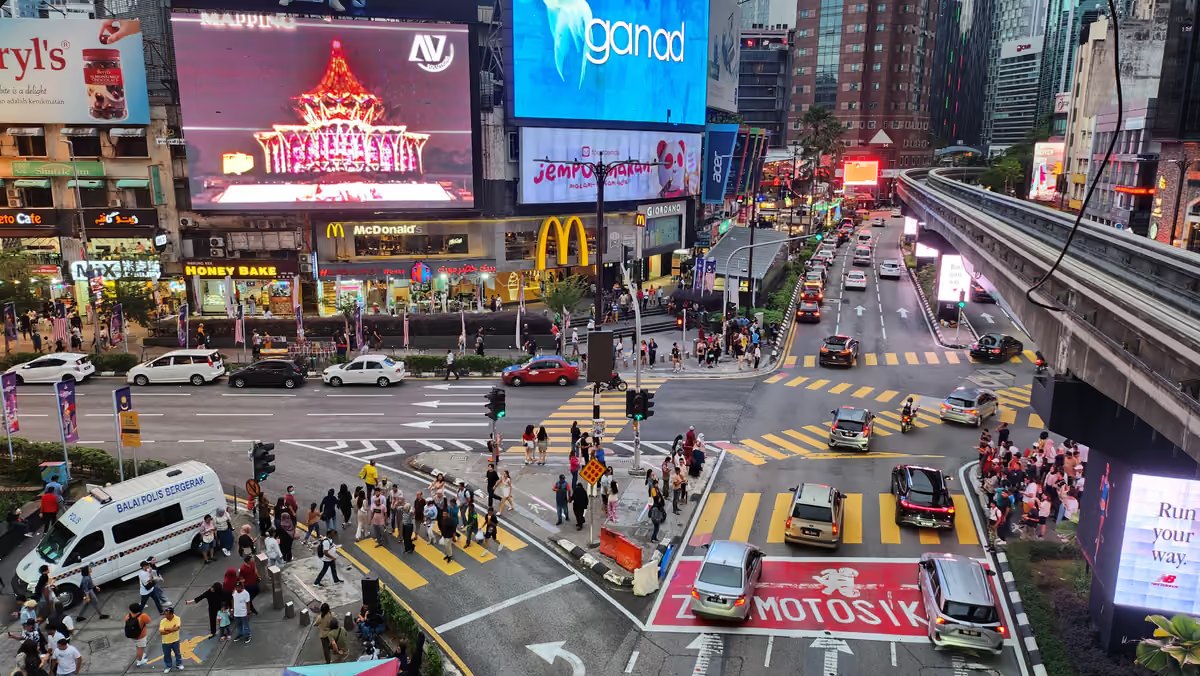
Fig. 10 Bukit Bintang Junction in the evening. Photo: Renek78 (opens in a new tab) · CC0 (opens in a new tab) · modified
What to eat
Central Market’s Pasar Besar is an easy first stop on day two, and Petaling Street is on the same walk.
When to go
Plan for rain in any month. The Malaysian Meteorological Department describes the country’s climate as uniform in temperature, with high humidity and copious rainfall. For most of Peninsular Malaysia outside the east coast, it gives October and November as the months of most rain, with a second wet spell in April and May and drier spells in February and around June and July.
So keep outdoor plans for the morning, save the museum day for a wet day if you can, and carry an umbrella.
Safety, entry and health
Safety
The UK government’s travel advice for Malaysia was still current on 20 October 2026. It advises against all but essential travel to the islands and dive sites off the coast of eastern Sabah, on Borneo, because of the threat of kidnapping. That warning does not cover Kuala Lumpur. The same advice says terrorist attacks in Malaysia cannot be ruled out, including at tourist attractions, shopping malls and places of worship, and asks visitors to stay alert in crowded places and at large gatherings.
It also says bag-snatching is common in major cities, sometimes by thieves on motorbikes, and warns of spiked drinks in bars, methanol in alcoholic drinks, and widespread card and ATM fraud. It says thieves can cut straps or pull off bags carried on the shoulder closest to the road, and advises you to take particular care of your passport. Read your own government’s advice too.
Entry
Entry rules depend on your passport. For British passport holders, the UK government says you can visit for tourism without a visa, normally for up to 90 days, with a passport valid for at least 6 months after the day you arrive. It also says you must submit an arrival card online before you travel, and that your airline may ask for it at check-in. Some travellers are exempt; the Immigration Department’s portal lists who.
The arrival card is the Malaysia Digital Arrival Card (MDAC), on the Immigration Department of Malaysia’s portal. For other passports, the department lists who needs a visa by country, and the same page lists a health entry rule for travellers arriving from some countries.
Health
We give no health advice. For vaccines and other health guidance before you travel, see CDC Travelers’ Health for Malaysia (opens in a new tab) or your own country’s health service.
Questions before you go
What is the best order for 3 days in Kuala Lumpur?
The towers on day one, the old city on day two and Batu Caves on day three, which ends near the airport train. If day one is a closed Monday at the towers, swap days one and two.
Do I need to book the Petronas Twin Towers in advance?
Visits run in timed slots, subject to availability, so book before you go. For a visit within the next 24 hours, the ticket page says to buy through the official online platform.
Can I visit Batu Caves and catch a flight on the same day?
Yes, if you leave room: the Komuter takes about 30 minutes each way, but midday trains run about once an hour. Then add the 28-minute airport train.
Is a weekend in Kuala Lumpur possible without a car?
Yes. Every stop in this plan is on a train line or the GoKL city bus, or a short walk from one.
Sources
- KLIA Ekspres: fares and service (opens in a new tab)
- KLIA Ekspres: home page, promotions and notices (opens in a new tab)
- KLIA Ekspres: fare adjustment from 1 January 2027 (opens in a new tab)
- KLIA Ekspres: flight check-in at KL Sentral (opens in a new tab)
- Petronas Twin Towers: admission and ticketing (opens in a new tab)
- Petronas Twin Towers: design and structure (opens in a new tab)
- Petronas Twin Towers: getting here (opens in a new tab)
- Petronas Twin Towers: events and promotions (opens in a new tab)
- Islamic Arts Museum Malaysia: visit us (opens in a new tab)
- Islamic Arts Museum Malaysia: home page (opens in a new tab)
- Central Market Kuala Lumpur: home page (opens in a new tab)
- Central Market Kuala Lumpur: getting here (opens in a new tab)
- Kuala Lumpur City Hall (DBKL): GoKL city bus (opens in a new tab)
- KTMB: KTM Komuter (opens in a new tab)
- KTMB: train timetables (Batu Caves line, weekday and weekend) (opens in a new tab)
- UK FCDO: Malaysia travel advice (opens in a new tab)
- UK FCDO: Malaysia entry requirements (opens in a new tab)
- UK FCDO: Malaysia safety and security (opens in a new tab)
- Immigration Department of Malaysia: visa requirement by country (opens in a new tab)
- Immigration Department of Malaysia: Malaysia Digital Arrival Card (opens in a new tab)
- Malaysian Meteorological Department: climate of Malaysia (opens in a new tab)
- CDC Travelers’ Health: Malaysia (opens in a new tab)
Found an error? Tell us. How we check facts.