Best time to visit Bali, month by month
Bali is driest from April to October and wet from November to March. Rain, crowds, Nyepi 2027 and each region, month by month.

On this page
At a glance
| Where | Bali, an island province of Indonesia, about 8 degrees south of the equator. |
|---|---|
| Short answer | April to October is the drier half of the year. April and May pair under 100 mm of rain with two of the three quietest dry-season months of 2025.As of 2026-10-20 · Source: BMKG via WMO; Bali Government Tourism Office · Recheck by 2027-04-20 |
| Dry months | August is the driest month in Denpasar’s long-term averages: 25 mm of rain over 4 rain days.As of 2026-10-20 · Source: BMKG via WMO World Weather Information Service · Recheck by 2027-04-20 |
| Wet months | January is the wettest: 345 mm over 27 rain days. November to March brings about three quarters of the year’s rain.As of 2026-10-20 · Source: BMKG via WMO World Weather Information Service · Recheck by 2027-04-20 |
| This rainy season | BMKG expects the 2026/2027 rains to start between late November and late December 2026, later than normal in all 20 of Bali’s season zones. The peak is mostly February 2027.As of 2026-10-20 · Source: BMKG Stasiun Klimatologi Bali · Recheck by 2027-01-20 |
| Busiest month | July 2025: 697,107 direct foreign arrivals. The quietest was February 2025: 450,697.As of 2026-10-20 · Source: Bali Government Tourism Office (BPS Bali data) · Recheck by 2027-04-20 |
| Nyepi 2027 | Monday 8 March 2027. Bali’s airport closes for the whole day.As of 2026-10-20 · Source: Ministry of State Secretariat (SKB 2027); UK FCDO · Recheck by 2027-01-20 |
| Idul Fitri 2027 | Wednesday 10 and Thursday 11 March 2027, with collective leave on 9, 12 and 15 March. Indonesia’s religious affairs minister confirms the Idul Fitri date nearer the time.As of 2026-10-20 · Source: Ministry of State Secretariat (SKB 2027) · Recheck by 2027-01-20 |
| Bali tourist levy | IDR 150,000 for each foreign tourist arriving in Bali. Pay online or on arrival.As of 2026-10-20 · Source: UK FCDO entry requirements · Recheck by 2027-01-20 |
| Entry and visa | Depends on your passport. British passport: a visa is required. A 30-day visa on arrival (VOA) costs IDR 500,000, is single entry and can be extended once for 30 days. You need proof of an onward or return journey. The VOA does not cover influencer or commercial content work. Passport valid at least 6 months after arrival, with 2 blank pages.As of 2026-10-20 · Source: UK FCDO entry requirements · Recheck by 2027-01-20 |
| Arrival and stay | British passport: fill in the free All Indonesia arrival card in the 72 hours before you arrive. In private accommodation, register with the local police; hotels register you automatically.As of 2026-10-20 · Source: UK FCDO entry requirements · Recheck by 2027-01-20 |
| Health | We give no health advice. For vaccines and health entry rules, see the official source. One entry rule: you need a yellow fever vaccination certificate if you come from a country listed as a transmission risk.As of 2026-10-20 · Source: UK FCDO entry requirements; CDC Travelers’ Health, Indonesia · Recheck by 2027-01-20 |
- Facts checked
- Next recheck
- Entry rule shown for
- British (UK FCDO advice). For any other passport, check your own government’s travel advice.
The short answer
This guide is research, not a first-hand visit. We built it from the official sources listed at the end, as of the date in the ticket.
Bali has two seasons, not four. The dry season runs roughly from April to October, and the wet season from November to March. The UK Foreign, Commonwealth and Development Office (FCDO) says Indonesia’s rainy season “usually runs from October to March”. Bali’s long-term rainfall averages fit that: October is a changeover month, and the heavy rain comes from December to March.
If you want dry weather without the peak crowds, aim for April or May. Both average under 100 mm of rain in Denpasar (88 and 93 mm). With October, they were the three quietest dry-season months of 2025. September is drier, at 47 mm, but busier: only July, August and June had more foreign arrivals. This is our reading of two official data sets, side by side below. It is not a forecast.
If you want the fewest visitors and accept rain, February had the fewest foreign arrivals in 2025, with March and November close behind.
One date needs a plan: Nyepi, the Balinese Day of Silence, on Monday 8 March 2027. The whole island stops for a day and the airport closes.
Bali’s two seasons
Denpasar’s averages follow what BMKG (Badan Meteorologi, Klimatologi, dan Geofisika), Indonesia’s meteorological agency, calls a monsoonal rain pattern. There is one wet period and one dry period each year. The wet period comes with the Asian monsoon, around the turn of the year. The dry period comes with the easterly Australian monsoon, which BMKG reports was still dominant over Indonesia in August 2026.
BMKG does not use calendar months to define a season. It counts rain in ten-day periods, called dasarian. The rainy season starts with the first ten-day period that brings 50 mm of rain or more, followed by two more periods that do the same. The dry season starts the same way, below 50 mm. So the “start of the wet season” moves from year to year and from place to place.
Fig. 1 Rainfall, Denpasar, mm (1961–1990) Source: BMKG via WMO (opens in a new tab), October 2026.
The chart uses Denpasar’s long-term averages, which BMKG supplies to the World Meteorological Organization (WMO). The rainfall figures cover 1961 to 1990, so treat them as the island’s normal shape, not as this year’s weather. They add up to about 1,730 mm a year, and about 1,310 mm of that falls from November to March.
The temperature barely changes. Average daytime highs in Denpasar run from 29.6°C in August to 34.4°C in April, and night-time lows from 22.5°C to 24.8°C. The dry season is a little cooler at night, not cold.
Bali weather month by month
The table gives Denpasar’s long-term averages. “Rain days” is the average number of days with rain in that month.
| Month | Rain (mm) | Rain days | High / low (°C) | What to expect |
|---|---|---|---|---|
| January | 345 | 27 | 33.0 / 24.1 | The wettest month. Rain on most days. |
| February | 274 | 22 | 33.4 / 24.2 | Still very wet. Fewest foreign arrivals in 2025. |
| March | 234 | 20 | 33.6 / 24.0 | Rain easing. Nyepi falls in March in 2027. |
| April | 88 | 9 | 34.4 / 24.8 | The switch to dry. The warmest days on average. |
| May | 93 | 8 | 33.1 / 24.1 | Dry, warm, and quieter than July. |
| June | 53 | 6 | 31.4 / 23.5 | Dry. Arrivals climb. |
| July | 55 | 4 | 30.4 / 23.0 | Dry and cooler. The busiest month in 2025. |
| August | 25 | 4 | 29.6 / 22.5 | The driest and coolest month. Still very busy. |
| September | 47 | 8 | 31.4 / 22.9 | Drier than April and May, but busier. |
| October | 63 | 12 | 33.6 / 23.7 | Warmer, with more showers. A changeover month. |
| November | 179 | 16 | 32.7 / 23.5 | The rains build. Third-quietest month in 2025. |
| December | 276 | 22 | 33.0 / 23.5 | Wet, and busier than November. |
Rain against crowds
Bali’s provincial tourism office publishes monthly foreign arrivals from Statistics Indonesia’s Bali office (BPS Bali). In 2025, Bali counted 6,948,754 direct foreign arrivals.
Fig. 2 Direct foreign arrivals by month, 2025 Source: Bali Tourism Office (BPS data) (opens in a new tab), October 2026.
Put the two charts together. The months with the fewest rain days, July and August, are also the busiest. January to March, three of the four wettest months, are among the quietest. December is wet, and busier than November. The best balance sits at the start of the dry season, with September as the drier but busier choice:
- April and May. Rain drops to under 100 mm a month. April had the fewest arrivals of any dry-season month in 2025 (591,221), and May the third-fewest (602,213), after October (594,853).
- September. Drier still, at 47 mm, but busier: 635,149 arrivals, the fourth-highest month of 2025.
November sits at the start of the wet season. Its 2025 arrivals were the third-lowest of the year, after February and March, but the rains are building: 179 mm on average, over 16 rain days.
These counts are foreign arrivals only. They leave out Indonesian visitors, so dates around national holidays may be busier than the chart shows.
The 2026/2027 rainy season: what BMKG expects
BMKG’s climatology station in Bali also publishes a forecast for each coming season. Its October 2026 bulletin covers the 2026/2027 rainy season across Bali’s 20 season zones (zona musim, ZOM).
- A late start. BMKG expects the rains to begin in late November 2026 in 3 zones and in December 2026 in the other 17. In every zone, that is later than the 1991–2020 average.
- Normal amounts. Total rain over the season is forecast as normal in 14 zones and above normal in 6, mostly in the north and east.
- A February peak. The wettest stretch is forecast for February 2027 in 16 zones, January 2027 in 1 and March 2027 in 3.
The bulletin sets this forecast against a very strong El Niño. BMKG measured an ENSO (El Niño–Southern Oscillation) index of +2.20 for June to August 2026 and expects El Niño to last into early 2027. By 10 December 2026, BMKG expects only 4 of the 20 zones to have entered the rainy season. Check the forecast before you go.
A dry month can still bring heavy rain. BMKG’s 2025 annual bulletin records 385.5 mm of rain in a single day, 10 September 2025, at its climatology station in Jembrana, in Bali’s west. That one day brought more than eight times Denpasar’s long-term September average, measured at a different station.
Nyepi and public holidays in 2027
Nyepi is the Balinese New Year in the Saka calendar. Indonesia’s government lists Nyepi, the start of Saka year 1949, on Monday 8 March 2027, in the 2027 national holiday decree signed on 15 September 2026.
On Nyepi, the FCDO says, local custom requires everyone in Bali to stay indoors, keep lights off and make no noise. Ngurah Rai International Airport closes for the entire day. Emergency services and hospitals still operate. Indonesia’s tourism ministry describes four restraints for the day: no fire or pleasures, no work, no travel and no entertainment. Hotels close their curtains so no light shows outside, and local pecalang watchmen enforce the rules.
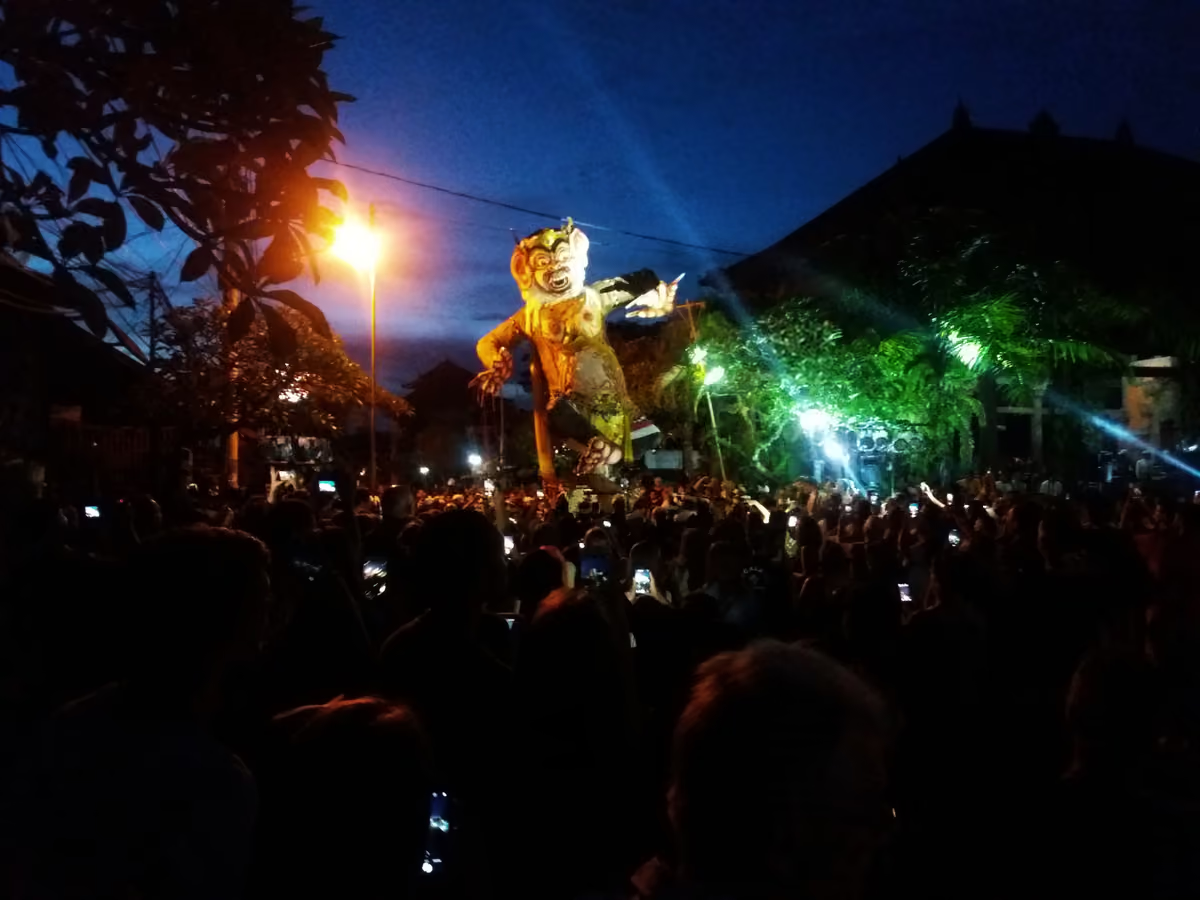
Fig. 3 An ogoh-ogoh on the eve of Nyepi, Ubud. Photo: MagdaLena7 (opens in a new tab) · CC BY-SA 4.0 (opens in a new tab) · modified
The evening before is the opposite of silent. Villages parade ogoh-ogoh, giant demon effigies, through the streets at around sunset and then burn them. The tourism ministry names Kuta, Seminyak, Nusa Dua, Sanur, Denpasar and Ubud among the places to see them. The day after Nyepi, Ngembak Geni, is a day for visiting family and asking forgiveness.
To plan around Nyepi:
- Do not book a flight in or out on 8 March 2027. The airport is closed for the whole day.
- To see the parades, arrive by 7 March 2027, the evening before. Plan to fly out on 9 March or later.
- Pick a stay with food on site. You cannot go out for the day.
In 2027, Nyepi falls in the same week as Idul Fitri (Eid al-Fitr), on 10 and 11 March, with collective leave (cuti bersama) on 9, 12 and 15 March. Indonesia’s religious affairs minister confirms the Idul Fitri date nearer the time. If your dates touch the week of 8 March 2027, book flights and transfers early.
Other national holidays in the 2027 decree include New Year’s Day (1 January), Chinese New Year (6 February), Good Friday (26 March), Idul Adha (17 May), Independence Day (17 August) and Christmas (25 December, with collective leave on 24 December).
Which part of Bali, and when
BMKG’s 2026/2027 forecast shows the rains arriving in stages.
The south: Kuta, Seminyak, Sanur and Denpasar
The southern zone covers southern Badung, southern Gianyar, southern Tabanan and Denpasar city. BMKG expects the rains there to start between 11 and 20 December 2026, four ten-day periods later than normal. It expects the peak in February 2027. The Denpasar averages in this guide come from this area.
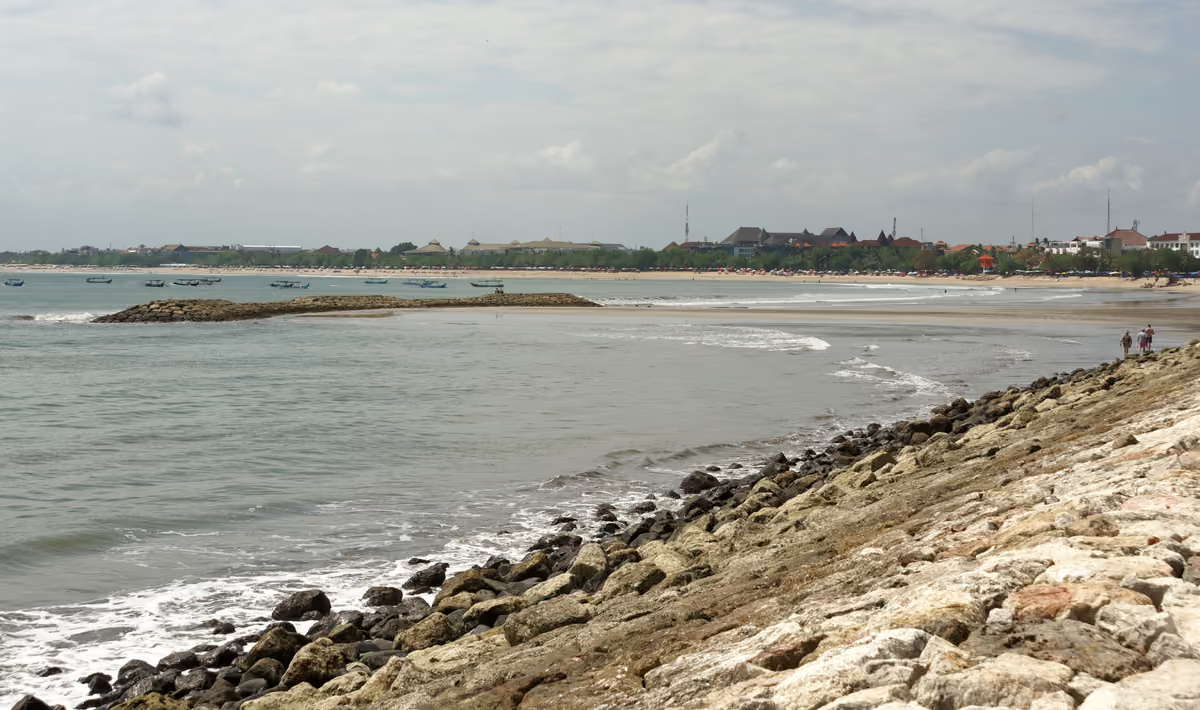
Fig. 4 Kuta Beach. Photographed in August 2022. Photo: Jakub Hałun (opens in a new tab) · CC BY-SA 4.0 (opens in a new tab) · modified
Ubud and the uplands
Ubud sits in central Gianyar, where BMKG expects the rains to start in mid-December 2026. The uplands to the north, in northern Tabanan, northern Badung, northern Gianyar and central Bangli, are among the first to get the rain: from late November 2026, with the peak in January 2027.
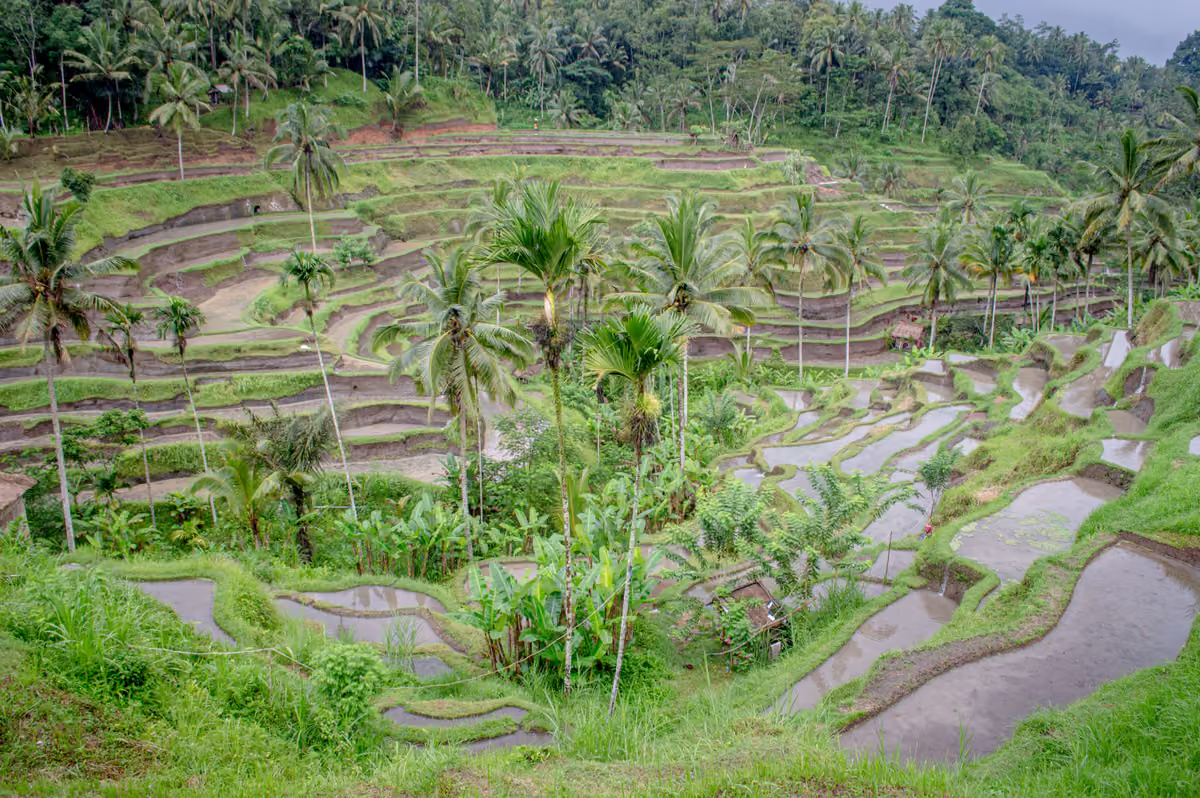
Fig. 5 Tegallalang. Photographed in January 2014. Photo: Philip Nalangan (opens in a new tab) · CC BY 4.0 (opens in a new tab) · modified
For rice terraces and walks between villages, the wet season still works. The fields are green and full of water, as in the photo above, taken in January 2014. Keep a spare half-day in case the rain sets in.
The east and north: Karangasem and Buleleng
Most of Karangasem, in the east, and northern and western Buleleng, on the north coast, are forecast to get the rains last: from 21 December 2026. Western Karangasem, below Mount Agung, starts earlier, between 1 and 20 December. BMKG also expects above-normal rain over the season in northern, central and eastern Karangasem, northern and eastern Bangli, northern and western Buleleng, and western Jembrana.
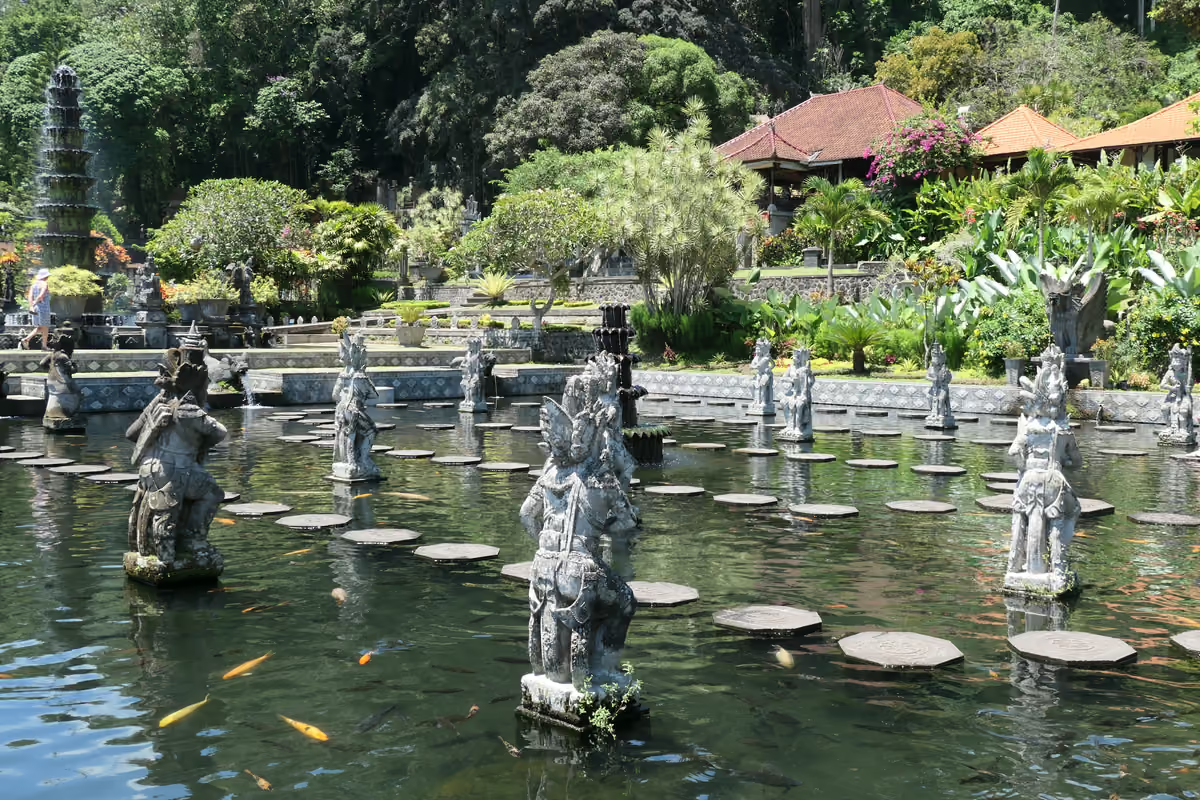
Fig. 6 Tirta Gangga, Karangasem. Photo: Anandajoti (opens in a new tab) · CC BY-SA 4.0 (opens in a new tab) · modified
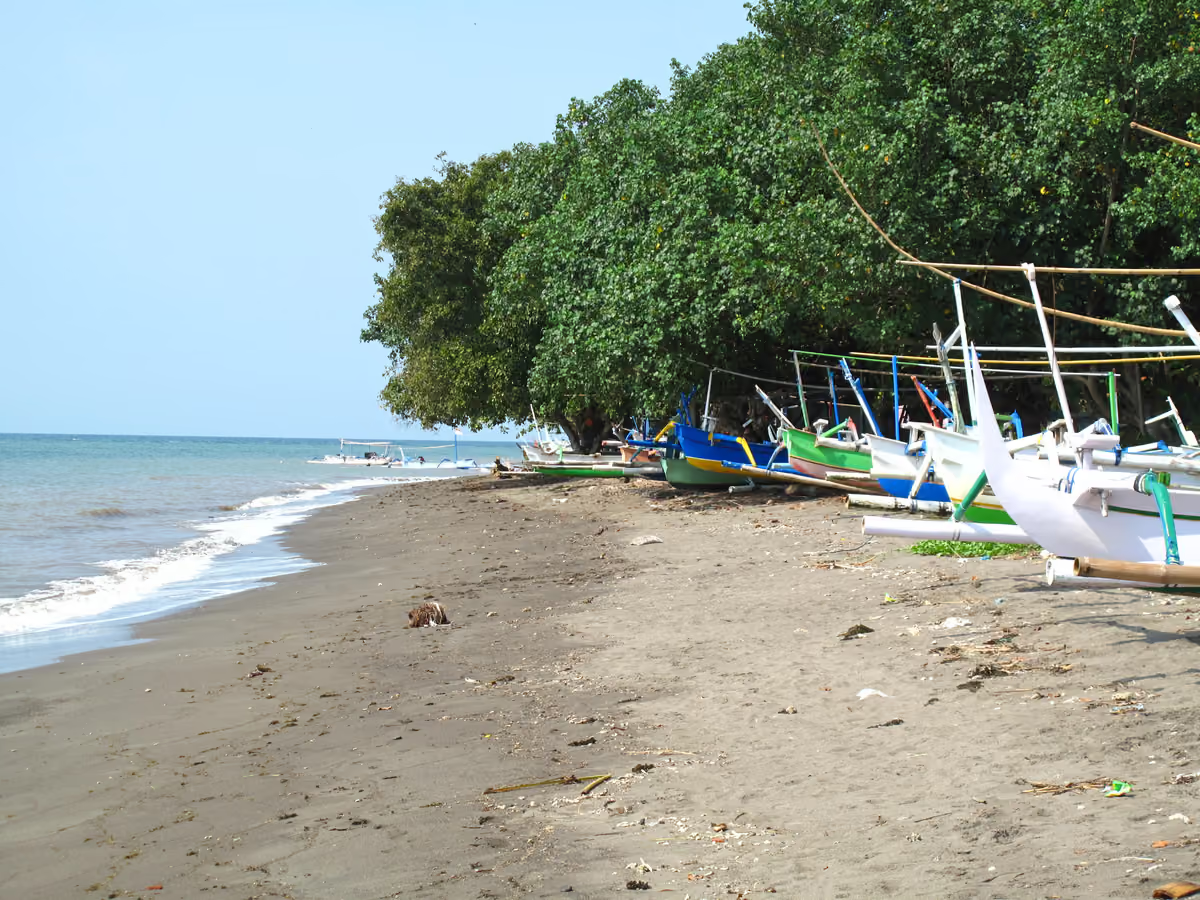
Fig. 7 The beach at Lovina, Buleleng. Photo: Ken Eckert (opens in a new tab) · CC BY-SA 4.0 (opens in a new tab) · modified
Mount Agung and Mount Batur are both on the list of volcanoes that Indonesia’s volcano agency monitors. The FCDO notes that volcanoes can erupt without warning, that exclusion zones can change at short notice, and that ash clouds can disrupt flights. Before a trip to the east or a volcano hike, check the current alert level on MAGMA Indonesia (opens in a new tab), run by Indonesia’s volcano agency.
Nusa Penida and the islands
Nusa Penida has its own season zone. BMKG expects its rains from late December 2026, a February 2027 peak and a normal total.
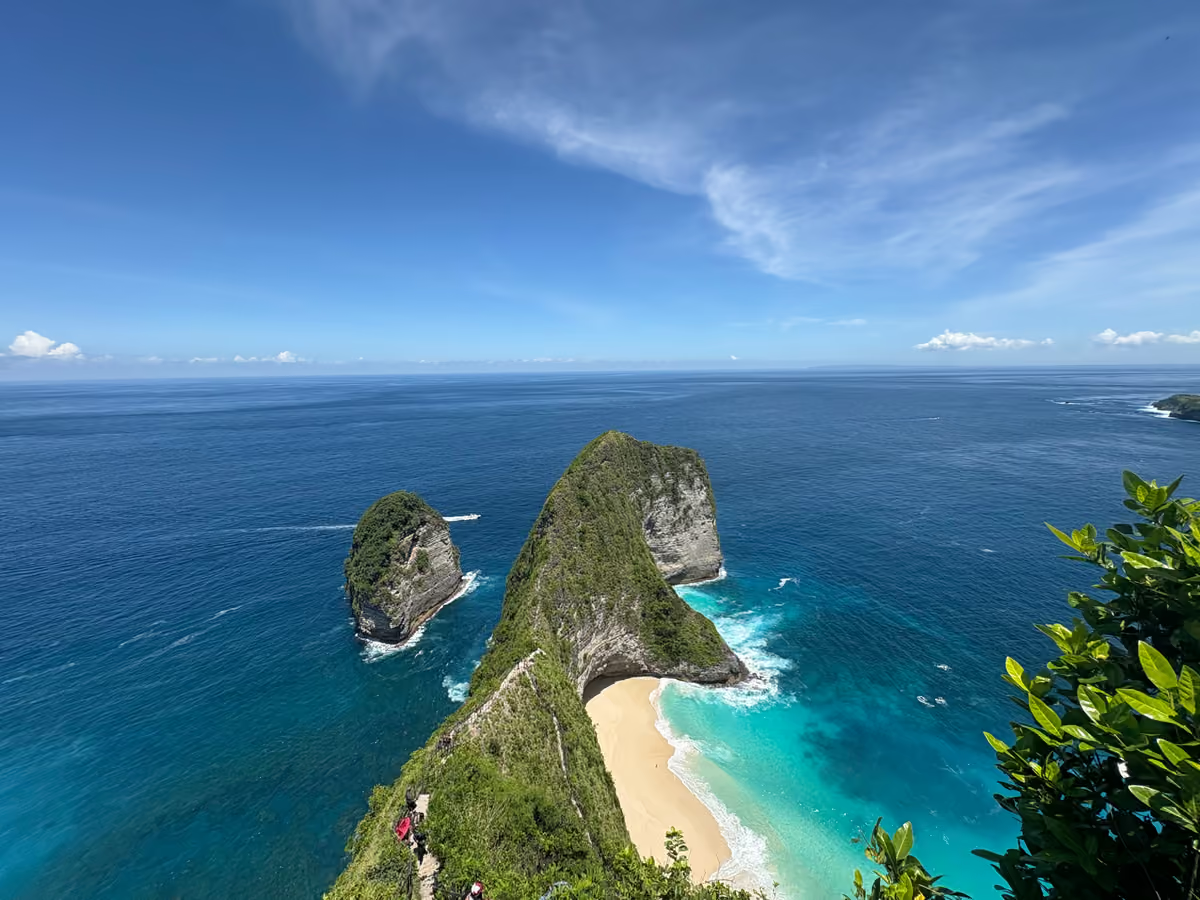
Fig. 8 Kelingking, Nusa Penida. Photographed in April 2025. Photo: Chainwit. (opens in a new tab) · CC BY 4.0 (opens in a new tab) · modified
For the islands, the sea matters as much as the rain. The FCDO warns that sea conditions can change rapidly, that boats can be overloaded and poorly kept, and that you should check for safety equipment such as life jackets before you travel, and avoid travelling after dark unless you are satisfied the vessel is suitably equipped. BMKG publishes wave forecasts, high-wave warnings and forecasts for the Bali Strait and Lombok Strait crossings on its marine weather site (opens in a new tab). Check it on the morning you cross.
When to avoid, or plan around
No month is closed, but some dates need a plan:
- The week of 8 March 2027. Nyepi closes the airport on the 8th. Nyepi and Idul Fitri fall in the same week, with collective leave for Idul Fitri on 9, 12 and 15 March.
- July and August. The fewest rain days, and the most foreign visitors of the year in 2025.
- December to February. The three wettest months on average, and BMKG forecasts the peak of the 2026/2027 season in February 2027.
- Christmas and New Year. Arrivals rose from 483,364 in November 2025 to 572,668 in December 2025.
Staying safe in the wet season
The FCDO says Bali can suffer severe local flooding, which causes major traffic congestion and power cuts, and that landslides happen in mountain areas. It advises you to follow local and international weather updates. For earthquake and tsunami warnings, the FCDO points to BMKG’s Multi-Hazard Early Warning System app.
Two more FCDO points apply in every season. Traffic discipline is very poor, with a large rise in moped and motorbike accidents in Bali; wear a helmet in good condition. And if a strong earthquake strikes near the coast, follow local instructions, because a tsunami can arrive within minutes.
Questions before you go
What is the best month to visit Bali?
For dry weather with fewer visitors, April or May. September is drier but busier. For the driest weather of all, August, if you accept the crowds. Those answers come from long-term averages and 2025 arrivals, not from a forecast for your dates.
Is it worth visiting Bali in the rainy season?
It can be, if you want fewer visitors and green rice terraces. February had the fewest foreign arrivals in 2025. Expect rain on most days in January, and plan boat trips and volcano hikes with a flexible day.
When is Bali least crowded?
By foreign arrivals in 2025, February was the quietest month (450,697), then March (470,851) and November (483,364). These figures leave out Indonesian visitors.
When does the 2026/2027 rainy season start?
BMKG’s October 2026 forecast puts the start between late November and late December 2026, depending on the zone, and later than normal everywhere on the island. In the south, including Denpasar, it expects 11 to 20 December 2026.
Sources
- Denpasar climatological information (BMKG data), WMO World Weather Information Service (opens in a new tab)
- Buletin Prediksi Awal Musim Hujan 2026-2027, BMKG Stasiun Klimatologi Bali (opens in a new tab)
- Data Klimatologi Tahun 2025 (annual bulletin), BMKG Stasiun Klimatologi Bali (opens in a new tab)
- Buku Statistik Pariwisata Bali 2025, Table 4 (BPS Bali data), Bali Government Tourism Office (opens in a new tab)
- SKB 3 Menteri: libur nasional dan cuti bersama 2027, Ministry of State Secretariat (opens in a new tab)
- Nyepi, Bali’s New Year’s Day of complete silence, Indonesia Ministry of Tourism (opens in a new tab)
- Indonesia travel advice: safety and security, UK FCDO (opens in a new tab)
- Indonesia travel advice: entry requirements, UK FCDO (opens in a new tab)
- Travelers’ Health: Indonesia, CDC (opens in a new tab)
- Prakiraan Cuaca Maritim (marine weather), BMKG (opens in a new tab)
- Tingkat Aktivitas Gunung Api (volcano activity levels), MAGMA Indonesia (opens in a new tab)
Found an error? Tell us. How we check facts.