Hostel or hotel: how to choose
Hostel vs hotel, point by point: price, privacy, safety, the social side and length of stay, with Southeast Asia's check-in and registration rules.

On this page
At a glance
| Where | Any trip. The examples come from Southeast Asia: Thailand, Vietnam, Cambodia, Laos, Malaysia and Singapore. |
|---|---|
| Short answer | A hostel for the lowest price per bed, company and a kitchen. A hotel for privacy, quiet and your own bathroom. For two people sharing a room, the price gap can narrow. |
| Prices | We give no prices: they change by date, demand and room type. |
| Hostels in law (Singapore) | Singapore’s planning authority says backpackers’ hostels are regulated under the same hotel licensing law as hotels, and are open-concept dormitories with at least 6 beds per room.As of 2026-10-20 · Source: Urban Redevelopment Authority (URA); Hotels Licensing Board · Recheck by 2027-04-20 |
| Guest registration | Thailand: all hosts, hotel staff included, must notify the authorities within 24 hours of a foreign guest’s arrival. Vietnam: commercial stays generally file the declaration for you. Cambodia: ask your accommodation whether it has registered you on FPCS, Cambodia’s foreigner registration system.As of 2026-10-20 · Source: Government of Canada travel advice (Thailand, Vietnam, Cambodia) · Recheck by 2027-04-20 |
| Theft | Canada reports break-ins at budget guesthouses in Thailand, and theft from locked rooms in low-cost accommodation in Cambodia. The UK says safes in hotels and guesthouses in Laos are not necessarily secure.As of 2026-10-20 · Source: Government of Canada; UK FCDO · Recheck by 2027-01-20 |
| Entry and visa | Depends on your passport. Check the rule for your passport with your government’s travel advice and the immigration authority of each country before you book.As of 2026-10-20 · Source: UK FCDO; Government of Canada · Recheck by 2027-04-20 |
| Health | We give no health advice. For vaccines and health entry rules, see the official source for your destination.Source: UK FCDO; Government of Canada |
- Facts checked
- Next recheck
- Entry rule shown for
- None. For entry rules, check your own government’s travel advice.
How this guide works
This guide is research, not a first-hand visit. We built it from the official sources listed at the end, as of the date in the ticket.
It compares the two on price, privacy, rooms, safety, the social side and length of stay, and names no hostel or hotel. Where a rule depends on the country, it names the country and the official page.
The short answer
Choose a hostel for the lowest price per bed, for company when you travel alone, or for a kitchen and a common room. Choose a hotel for sleep, privacy and your own bathroom, for a couple or a family, or for a late arrival and an early start.
| Point | Hostel | Hotel |
|---|---|---|
| What you pay for | A bed in a shared room, or a private room | A room |
| Privacy | Shared room; some sell private rooms | Your own room and door |
| Bathroom | Often shared, down the corridor | Usually in the room |
| Sleep | Others come and go at night | You control light and noise inside the room |
| Your belongings | A locker, if there is one, with your own lock | A room you lock; a safe in some |
| Meeting people | Common rooms, shared kitchens, events | Up to you |
| Kitchen | Often a shared guest kitchen | Rare; breakfast or a restaurant instead |
| Best fit | Solo travellers on a budget, long trips | Couples, families, light sleepers, short trips |
These are general patterns. Read the listing and its house rules before you pay.
What makes a hostel a hostel
A hostel sells beds in shared rooms, called dormitories or dorms. Guests share the room, usually the bathroom, and often a kitchen and a lounge. Many hostels also sell private rooms, so the line between a hostel and a small budget hotel can blur.
The law does not always separate them. In Singapore, the Urban Redevelopment Authority (URA), the planning authority, says backpackers’ hostels “are also public accommodation facilities”, regulated under the same hotel licensing law as hotels. Its handbook describes them as “open concept dormitories for boarding and lodging purposes, with a minimum of 6 beds per room”. The Hotels Licensing Board, set up under the Hotels Act 1954, runs the licensing of hotels there.
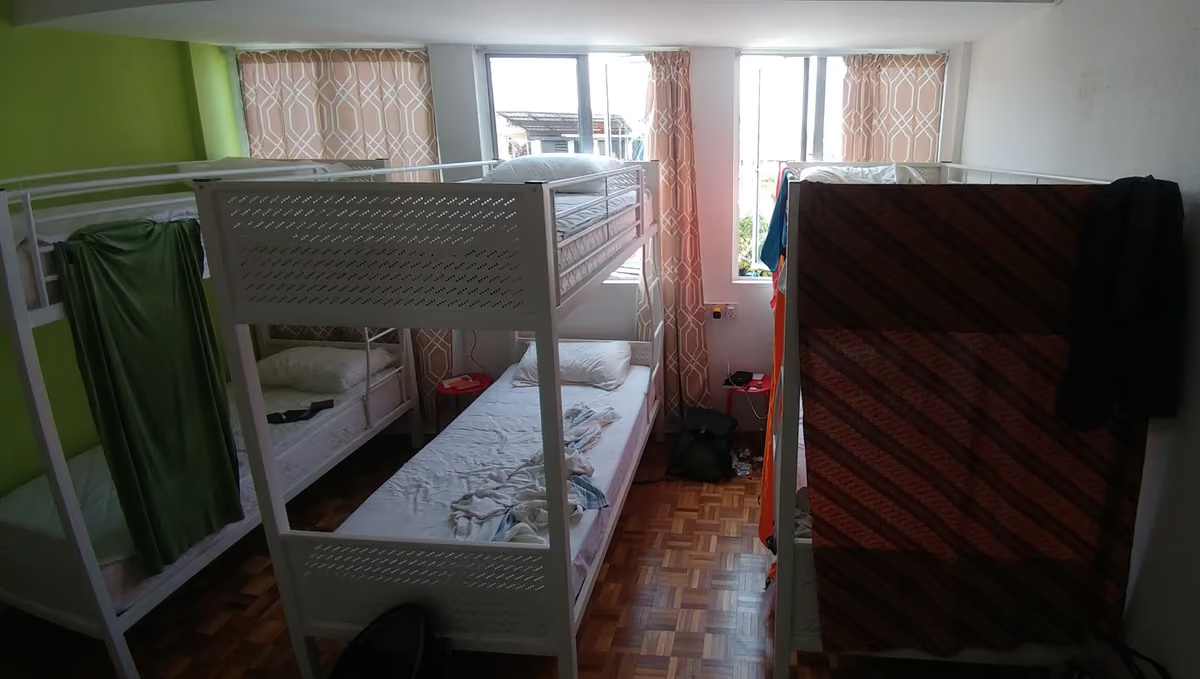
Fig. 1 A six-bed hostel dorm in Kuching, Malaysia. Photo: Sgroey (opens in a new tab) · CC BY 4.0 (opens in a new tab) · modified
In Southeast Asia, a listing may say hostel, guesthouse, backpackers or inn. Check what it says about the room: how many beds, who shares it, and where the bathroom is.
Price: what you are paying for
Here is how the price works.
- A hostel prices the bed; a hotel prices the room. For one person, a dorm bed is usually the cheapest bed in town. For two, compare two dorm beds with one double room.
- Count the extras. A shared kitchen saves money on meals. Lockers, towels and linen may cost extra in some hostels; breakfast may cost extra in some hotels.
- Count the transport. A cheap bed far from what you came to see can cost more once you add the daily rides.
- Compare the total. Check the final price for your dates, with every tax and fee.
Privacy and sleep
In a dorm, other guests arrive late, leave early, pack bags and turn on lights. Curtains on each bunk, a reading light and a socket at the bed help; some hostels list them. Before an early flight, book a room of your own for that night.
A four-bed dorm is usually quieter than a twelve-bed one. Some hostels also offer women-only dorms; if the listing does not say, ask before you book.
A hostel private room gives you a door and, sometimes, your own bathroom, with the common room still downstairs.
Rooms and bathrooms
A hotel room is yours: the bed, the bathroom, the light switch and the air conditioning. Many hotels also clean daily and keep a front desk open late.
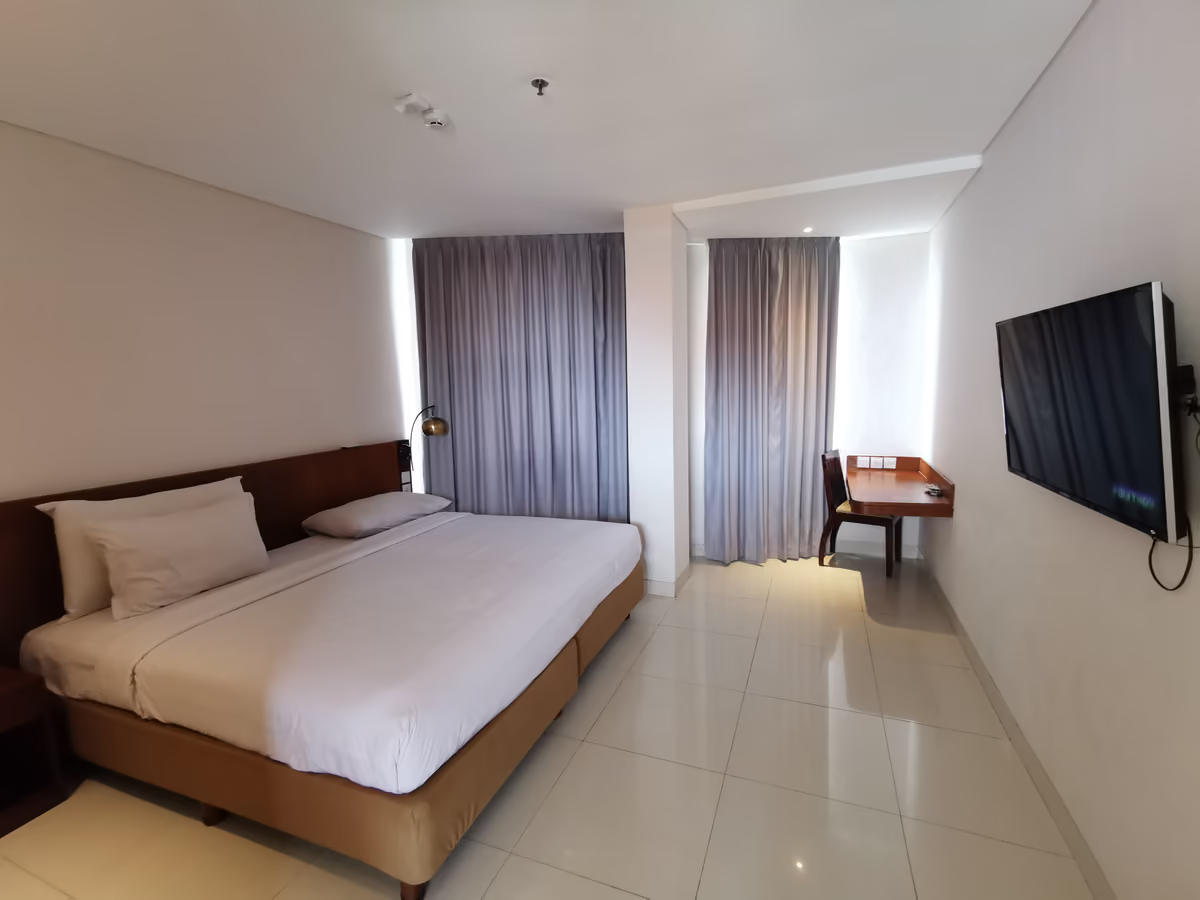
Fig. 2 A hotel double room in Bali. Photo: M (opens in a new tab) · CC0 (opens in a new tab) · modified
In a hostel, check whether the dorm has its own bathroom, or how many beds share one down the corridor.
Before you book either, check the window, the floor and the bathroom in the room description. In older buildings in the region, some rooms have no outside window. Our guide to where to stay in Hanoi explains why that matters in the city’s narrow tube houses.
Safety and your belongings
Theft happens in both kinds of stay. Canada’s travel advice for Thailand says “break-ins occur at budget guesthouses, sometimes while guests are asleep in their rooms”. For Cambodia, it says belongings have been stolen from locked rooms, “particularly in low-cost accommodations”. For Laos, it reports break-ins at hotels and guesthouses and asks you to keep doors and windows locked.
The UK advice for Laos adds: “Safes in hotels and guesthouses are not necessarily secure. Use your own lock where possible.” In a hostel, that means a locker you close with your own padlock. Check the listing for lockers and their size.
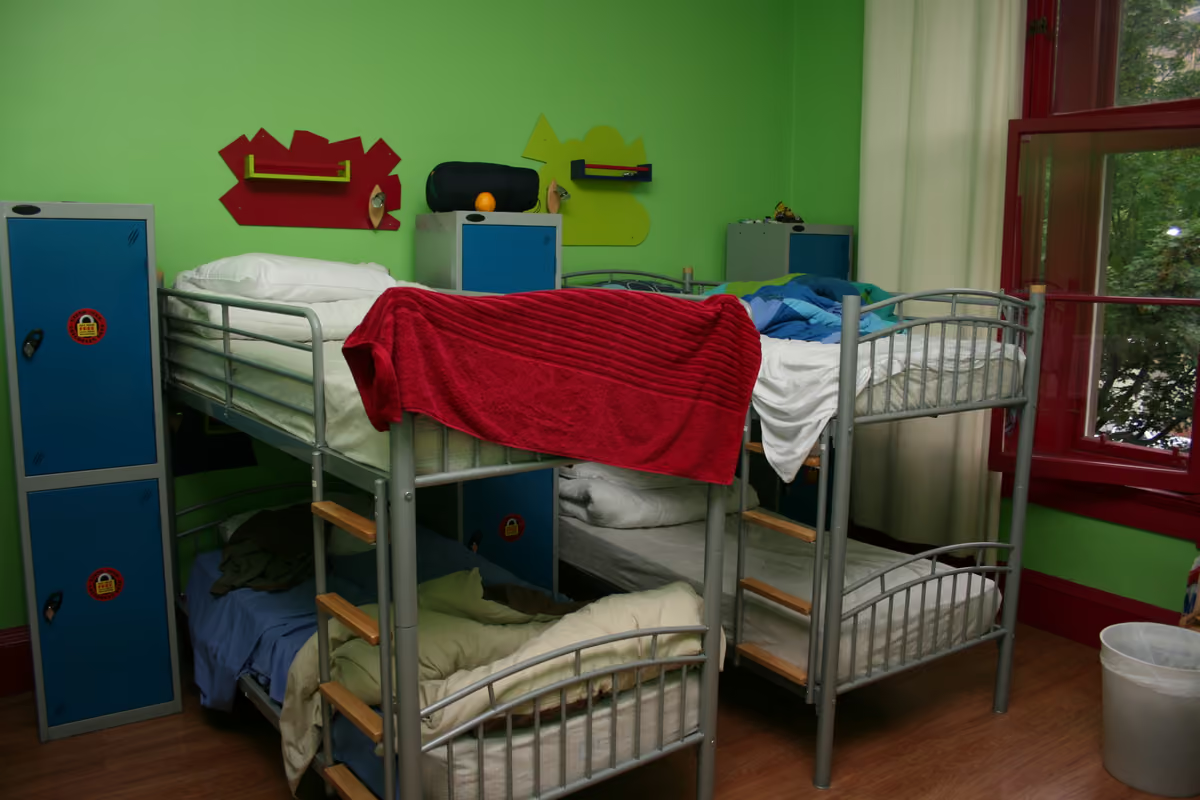
Fig. 3 Lockers beside the bunks in a hostel dorm. Photo: Aigars Mahinovs (opens in a new tab) · CC BY 2.0 (opens in a new tab) · modified
Canada’s advice for women travellers suggests you keep your room number and location private and confirm the identity of any visitor, staff included. It also suggests a door alarm or a rubber door wedge. The UK advice for Malaysia says not to open your hotel room door to strangers, especially late at night, particularly for women travelling alone.
Canada’s advice for Cambodia says sexual assault has been committed there, including against foreign women, and that “some of the reported incidents happened in hostels”. It advises you to keep your hotel or hostel doors and windows locked.
The country pages also cover crime, fraud and other risks. Read the page for your destination before you book. The UK foreign travel advice (opens in a new tab) and Canada’s travel advisories (opens in a new tab) list every country.
Check-in, passports and guest registration
Canada’s travel advice describes guest registration rules for Thailand, Vietnam and Cambodia. Expect a passport check at the desk.
- Thailand. Canada’s advice says all hosts, including hotel staff and homeowners, must notify the local authorities within 24 hours of a foreign guest’s arrival.
- Vietnam. Canada’s advice says you must report your presence to the local authorities on arrival. Commercial accommodation generally files the declaration for you; in a private home, your host or you must do it. It also says you may not be allowed to check in or book accommodation without a valid visa.
- Cambodia. Canada’s advice says the immigration authorities require foreign nationals to be registered on the Foreigners Presence in Cambodia System (FPCS), and that you may be denied a visa extension if you are not. It asks you to check with your accommodation staff whether they have registered you.
In Vietnam, Canada notes that staff may copy your passport or want to keep it until you leave, but there is no known local legal requirement to hold it. Ask for it back once check-in is complete.
Fire safety in any building
The Scottish Fire and Rescue Service gives this advice for hotel guests. It names hotels only; we apply the same steps to a hostel. On arrival, read the fire action notice in your room for your nearest escape route. The way you came in is not necessarily the fastest or safest way out. Never assume a fire alarm is false, and never cover the smoke alarm in your room.
In a dorm, take the same steps: when you arrive, find your nearest exit and plan your escape route.
The social side
The common room is a main reason to choose a hostel. Shared kitchens, bars, walking tours and group dinners make it easy to meet other travellers and find company for a day trip. Some hostels sell themselves on a bar and late nights; others are quiet. Reviews and listing photos usually show which kind it is.
For a hostel with a bar, read the drinks section of the advice for your destination. The UK advice for Thailand says drink spiking happens in tourist areas, with male and female victims, and says not to leave drinks unattended or accept drinks from strangers. For Laos, it reports deaths and serious illness from drinks containing methanol, including drinks bought in licensed bars, shops and hotels in tourist areas. For Vietnam, it suggests you report anything that does not feel right to the management of bars, restaurants, hotels or hostels.
Amenities and length of stay
Many hotels offer breakfast or a restaurant and daily cleaning, and some have a pool. Many hostels offer a guest kitchen and a common room, and some add laundry and a tour desk. Both list Wi-Fi; to work, look for recent reviews that mention its speed. Check luggage storage, air conditioning in the dorm, and a lift if you carry a heavy bag.
For two or three nights, sleep counts for more than a kitchen, which favours a hotel. Over several weeks, a hostel’s lower price per night and its kitchen add up. On a long trip you can alternate a few nights in a dorm with a private room.
Hostel or hotel for solo travellers
Travelling alone is where the hostel makes the strongest case. You pay for one bed, and the common room gives you company without effort. In a hotel you pay for the whole room alone.
A solo traveller also has nobody to watch a bag in a dorm while they shower. A hostel private room keeps the common room and adds a door you lock.
When each wins
Work through five questions in order. The first one that settles it gives your answer.
Fig. 4 Hostel or hotel: five questions Source: Fartherfield summary of this guide; lock advice from the UK travel advice for Laos (opens in a new tab), October 2026.
- A hostel wins for a solo traveller on a budget, a long trip, and a stay where a kitchen matters.
- A hotel wins for a couple or a family, a light sleeper and a business trip.
- A hostel private room is the middle ground: your own door, sometimes at a lower price than a hotel room.
Questions before you go
Is a hostel cheaper than a hotel?
For one person, a dorm bed is usually the cheapest bed in an area. For two people sharing, the gap between two dorm beds and one budget hotel room can be small. Compare the full price for the same dates.
Are hostels only for young people?
Many hostels welcome guests of any age, and many sell private rooms to couples and families. Some set an age limit or keep some dorms for certain guests. Check the house rules before you book.
Sources
- Hotel, Development Control Handbook, Urban Redevelopment Authority (Singapore) (opens in a new tab)
- Who we are, Hotels Licensing Board (Singapore) (opens in a new tab)
- Thailand travel advice, Government of Canada (opens in a new tab)
- Vietnam travel advice, Government of Canada (opens in a new tab)
- Cambodia travel advice, Government of Canada (opens in a new tab)
- Laos travel advice, Government of Canada (opens in a new tab)
- Advice for women travellers, Government of Canada (opens in a new tab)
- Thailand travel advice: safety and security, UK FCDO (opens in a new tab)
- Vietnam travel advice: safety and security, UK FCDO (opens in a new tab)
- Laos travel advice: safety and security, UK FCDO (opens in a new tab)
- Malaysia travel advice: safety and security, UK FCDO (opens in a new tab)
- Foreign travel advice, UK FCDO (opens in a new tab)
- Travel advice and advisories, Government of Canada (opens in a new tab)
- Hotel fire safety, Scottish Fire and Rescue Service (opens in a new tab)
Found an error? Tell us. How we check facts.